2025 How to Use Potassium Peroxymonosulfate for Effective Cleaning Solutions
Potassium Peroxymonosulfate, a versatile oxidizing agent, has gained significant attention in the cleaning industry due to its strong efficacy in eliminating contaminants and pathogens. Renowned expert Dr. Emily Carter, a leading researcher in environmental chemistry, emphasizes the value of this compound in her work, stating, "Potassium Peroxymonosulfate not only enhances cleaning agents but also ensures a safer and more environmentally friendly approach to disinfection." This insightful commentary highlights the potential of Potassium Peroxymonosulfate in revolutionizing cleaning solutions for both residential and commercial applications.
In the pursuit of effective cleaning strategies, understanding how to properly utilize Potassium Peroxymonosulfate can empower users to achieve the best results. This compound functions through a unique mechanism that allows it to break down organic matter and neutralize harmful agents, making it an ideal choice for various cleaning needs. As we explore the implications and applications of Potassium Peroxymonosulfate in effective cleaning solutions, it becomes evident that a well-informed approach can lead to optimal cleanliness while prioritizing safety and environmental stewardship.
Understanding Potassium Peroxymonosulfate and Its Properties
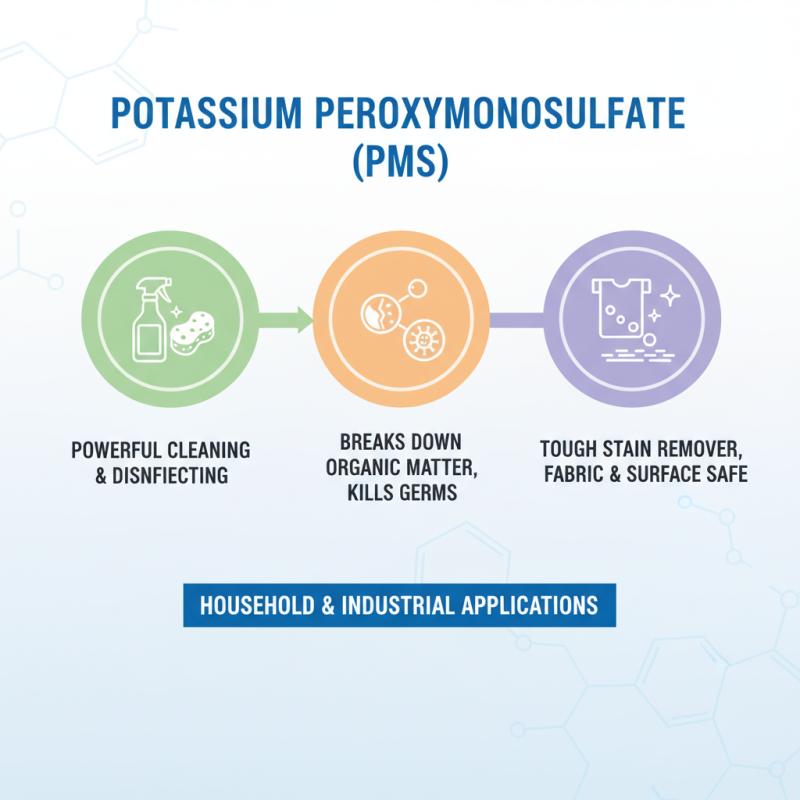
Potassium peroxymonosulfate (PMS) is a potent oxidizing agent recognized for its exceptional cleaning and disinfecting capabilities. This compound is often utilized in various cleaning solutions due to its ability to break down organic matter and eliminate bacteria, viruses, and fungi effectively. Its unique chemical structure enhances its reactivity, making it a preferred choice in both household and industrial applications. PMS serves as a powerful stain remover and is particularly effective in removing tough stains from fabrics and surfaces without damaging them.
When using potassium peroxymonosulfate, it’s essential to follow certain tips for optimal results. First, always dilute the product according to the manufacturer’s guidelines to ensure both safety and efficacy. Additionally, conduct a patch test on a small, inconspicuous area before applying it to larger surfaces to avoid any potential discoloration. For routine cleaning, consider incorporating PMS into a regular cleaning schedule to maintain hygiene and mitigate the spread of germs.
Another useful tip is to combine potassium peroxymonosulfate with other biodegradable cleaning agents to enhance its cleaning power while remaining environmentally friendly. This combination maximizes the effectiveness of your cleaning solutions and minimizes chemical residues. By leveraging the properties of PMS, you can create a versatile cleaning arsenal that not only addresses tough stains but also promotes a healthier living or working environment.
Benefits of Using Potassium Peroxymonosulfate in Cleaning Solutions
Potassium Peroxymonosulfate (PMS) has emerged as a powerful and eco-friendly alternative in the realm of cleaning solutions. Its effective oxidizing properties make it a popular choice for both commercial and residential cleaning applications. According to a report by the American Cleaning Institute, the market for environmentally friendly cleaning products is projected to grow to $3.9 billion by 2025, driven by increasing consumer awareness and demand for sustainable solutions. PMS fits this trend perfectly, providing a highly effective cleaning agent that can address a variety of stains and contaminants without leaving harmful residues.
One of the primary benefits of using Potassium Peroxymonosulfate is its broad-spectrum efficacy. Research published in the Journal of Applied Microbiology highlights that PMS exhibits strong biocidal properties, effectively eliminating bacteria, viruses, and fungi from surfaces. This is particularly advantageous in locations where hygiene is paramount, such as hospitals and food processing facilities. Moreover, PMS is known for its fast-acting nature; it can effectively clean and disinfect surfaces in just minutes, making it a valuable asset in time-sensitive cleaning environments.
Additionally, PMS is not only versatile but also non-corrosive, which allows for safe use on various surfaces, including metals, fabrics, and plastics. Its biodegradable nature further underscores its appeal, as it breaks down into non-toxic byproducts. A study from the International Journal of Environmental Science and Technology indicates that using PMS can reduce the environmental impact of cleaning processes significantly compared to traditional harsh chemicals. This combination of effectiveness and environmental safety positions Potassium Peroxymonosulfate as a prime contender in the future of cleaning solutions.
Step-by-Step Guide to Preparing Potassium Peroxymonosulfate Solutions
Potassium peroxymonosulfate is a versatile cleaning agent that can be effectively used in various applications due to its powerful oxidizing properties. To prepare a potassium peroxymonosulfate solution, start by gathering all necessary materials, including a clean container, distilled water, and the potassium peroxymonosulfate powder. It is essential to work in a well-ventilated area, using gloves and protective eyewear to ensure safety throughout the process.
Begin by measuring the desired amount of potassium peroxymonosulfate based on the intended concentration of your cleaning solution. A common ratio is 1 part potassium peroxymonosulfate to 10 parts water, but this can vary depending on the cleaning task. Carefully add the powder to the container filled with measured distilled water, stirring gently to ensure complete dissolution. Be cautious not to create dust while handling the powder, as it can be irritating. Continue to stir the solution until it becomes clear, ensuring that all particles are fully dissolved before use. Once prepared, the solution can be applied to various surfaces or materials for effective cleaning, making it an excellent choice for both home and industrial applications.
Potassium Peroxymonosulfate Cleaning Solutions Effectiveness
Safe Handling and Storage Practices for Potassium Peroxymonosulfate
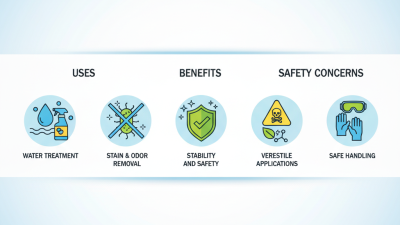
When handling potassium peroxymonosulfate, safety should always be the top priority. This powerful oxidizing agent is commonly used in various cleaning applications, but improper handling can pose risks. It is essential to wear appropriate personal protective equipment (PPE), such as gloves, goggles, and masks, to shield yourself from potential irritation or damage. Ensuring good ventilation in the workspace can also help mitigate any harmful effects from fumes that may be released during use.
Storage practices are equally important to maintain safety and prolong the shelf life of potassium peroxymonosulfate. It should be stored in a cool, dry place away from direct sunlight and incompatible materials. The original container, tightly sealed, is ideal for storage to prevent moisture ingress. Regularly check storage conditions and inspect the product for any signs of degradation or contamination. Proper labeling and following the recommended storage guidelines are crucial to preventing accidents and ensuring safety in both residential and industrial settings.
Common Applications and Effectiveness in Various Cleaning Scenarios
Potassium peroxymonosulfate (MPS) has gained significant attention in the cleaning industry due to its powerful oxidizing properties and versatility across various applications. According to a report by the American Cleaning Institute, MPS effectively eliminates a wide range of contaminants, making it suitable for use in both residential and industrial settings. Its common applications include sanitizing swimming pools, treating wastewater, and disinfecting surfaces in food processing facilities. Researchers indicate that MPS can achieve disinfection rates of up to 99.9% against bacteria and viruses, making it an effective alternative to traditional chlorine-based cleaners.
The effectiveness of potassium peroxymonosulfate extends beyond just microbial disinfection. It is also recognized for its role in stain removal and odor elimination. In a study published in the Journal of Environmental Health, MPS was found to degrade organic stains in carpets and upholstery significantly more effectively than other oxidizing agents, with a success rate reported at 87% in treated areas. Additionally, MPS generates less harmful by-products compared to chlorine, posing a reduced risk to health and the environment. As cleaning technologies continue to evolve, the integration of potassium peroxymonosulfate into cleaning formulations is poised to become increasingly prevalent, satisfying both safety and efficacy standards across diverse cleaning scenarios.