How to Use Potassium Monopersulfate in Aquaculture?
In the aquaculture industry, effective water treatment is crucial. Potassium monopersulfate has emerged as a valuable tool for aquatic health. Dr. Emily Chen, a leading expert in aquaculture, states, "Potassium monopersulfate uses in aquaculture can enhance water quality and improve fish welfare."
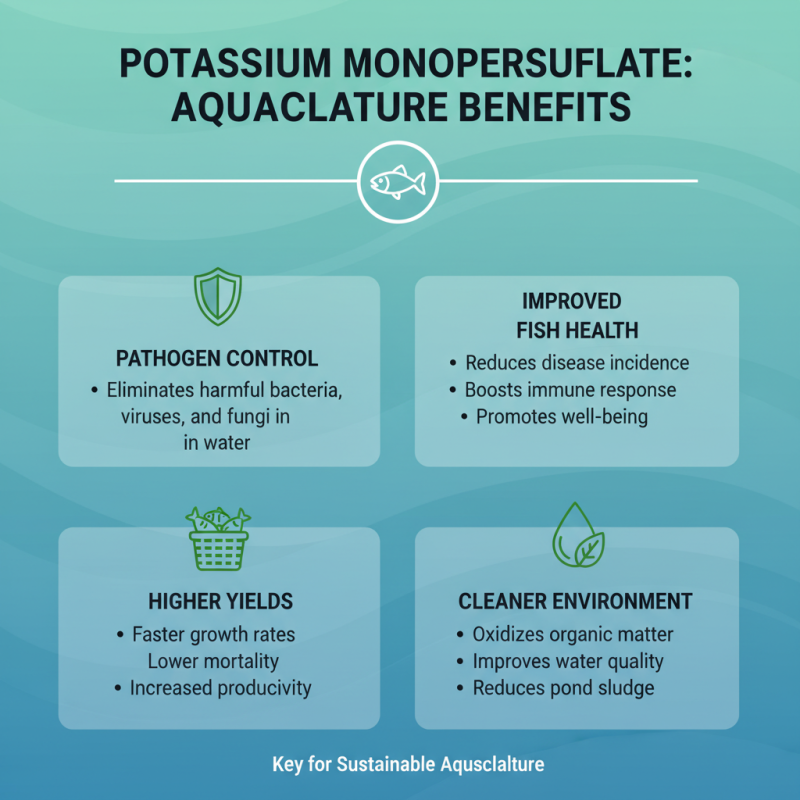
The compound acts as a powerful oxidizer. It helps to eliminate harmful pathogens and organic pollutants. By breaking down contaminants, it ensures a healthier environment for aquatic life. Fish are more likely to thrive in clean water. Healthy stock leads to better yields and improved economic returns for farmers.
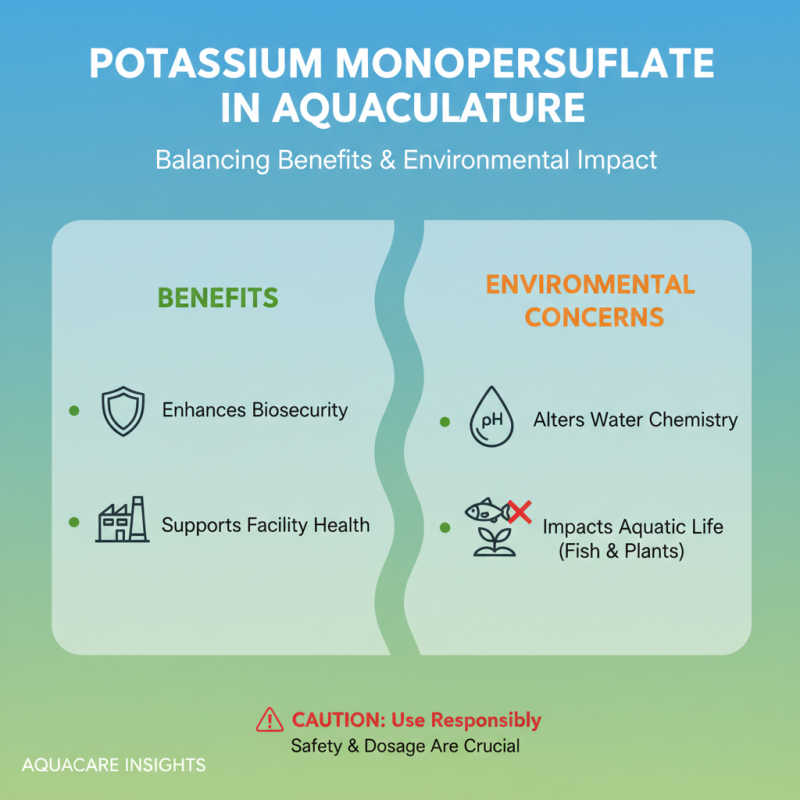
However, some challenges remain. Overuse could potentially impact aquatic organisms. It's essential for farmers to monitor concentrations closely. Adapting to best practices is crucial. Continuous research will provide insights and guide future applications. Potassium monopersulfate uses in aquaculture hold promise, yet understanding its full impact requires further exploration.
Understanding Potassium Monopersulfate and Its Role in Aquaculture
Potassium Monopersulfate is gaining traction in aquaculture. It serves as a powerful oxidizer. This compound helps improve water quality and fish health. It breaks down organic matter, reducing harmful microorganisms. Understanding its proper use is crucial for success in aquaculture settings.
When applying Potassium Monopersulfate, consider the dosage carefully. Overuse can cause stress to aquatic life. A general guideline is to start with a low concentration. Monitor fish behavior closely after treatment. Adjust dosages based on response.
Tips: Always test water parameters before and after application. Maintaining optimal conditions is essential. Keep records of your treatments. This will help identify patterns and adjust strategies effectively. Observe any changes in fish health and growth. Regular adjustments may be necessary as the environment changes.
Guidelines for Proper Dosage and Application Methods
In aquaculture, potassium monopersulfate serves as a powerful oxidizing agent. The proper dosage is crucial for maximizing its benefits. Typically, a concentration of 50 to 100 mg/L in water is effective. However, different aquatic species may require adjustments. Regular water testing helps in determining the exact needs.
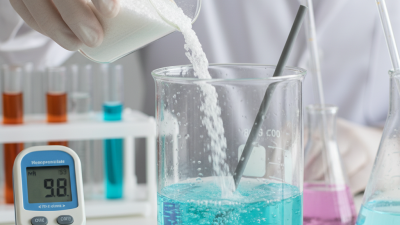
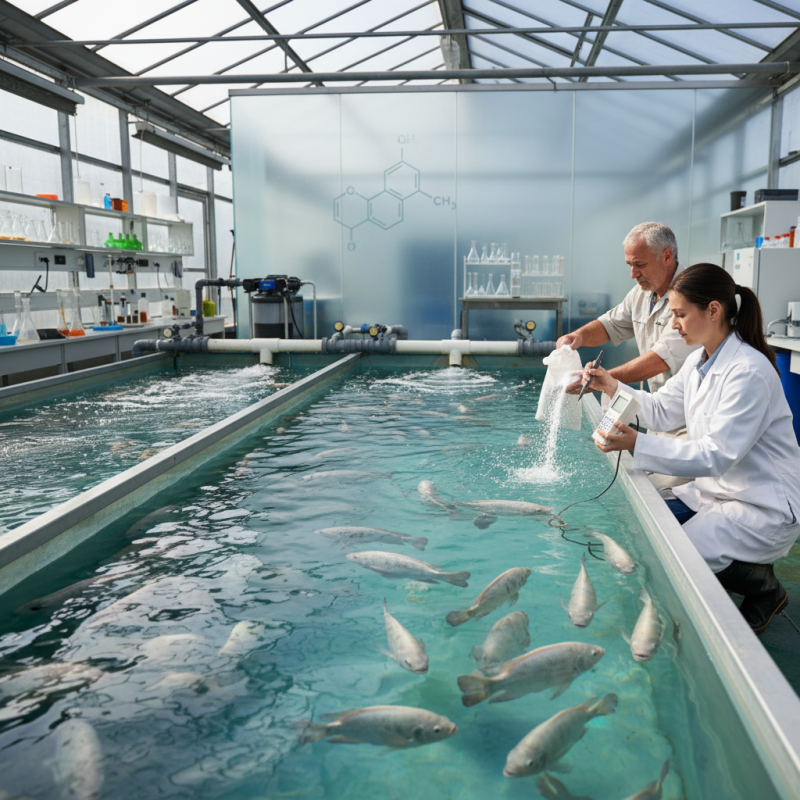
Application methods vary depending on the situation. For fish tanks, mix the potassium monopersulfate with water before adding it. This prevents any potential shock to the aquatic life. It’s vital to monitor the fish's response after application. Observing their behavior and health can indicate if the dosage was appropriate. Sometimes, the results may not be as expected. This calls for reassessment of the dosage and application approach.
Timing is also essential when applying potassium monopersulfate. Using it during feeding times might lead to stress. Alternatively, late evening applications can reduce shock. Each aquaculture environment is unique, and adjustments may be needed. Keep detailed records of applications and their results to refine future practices.
Integrating Potassium Monopersulfate into Aquaculture Management Practices
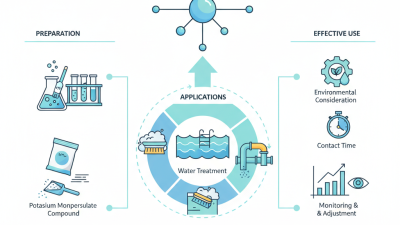
Integrating potassium monopersulfate into aquaculture management practices can enhance water quality and fish health. This compound acts as an oxidizer, improving the oxygen levels in aquatic environments. Farmers can add it to tanks or ponds to reduce harmful pathogens. A controlled dose is crucial to avoid stress among aquatic species. The right concentration promotes fish growth, but too much can lead to adverse effects.
Regular monitoring is essential. Farmers must observe changes in fish behavior and water clarity after application. Successful integration requires adjustments based on species and environmental conditions. Some might find the initial cost concerning. However, improved fish survival rates can justify the expense. Experimenting with different dosages over time can lead to optimizing the benefits while minimizing risks.
Incorporating potassium monopersulfate is not a one-size-fits-all solution. Each aquaculture system has unique challenges. Understanding these nuances can take time and effort. Continuous learning and adaptation are vital for effective management. There might be unexpected outcomes, necessitating reevaluation of strategies. Ultimately, thoughtful integration can lead to a healthier aquaculture environment.
How to Use Potassium Monopersulfate in Aquaculture?
| Application |
Dosage (ppm) |
Frequency |
Target Organisms |
Expected Results |
| Water Treatment |
10-20 ppm |
Weekly |
Bacteria, Viruses |
Reduced pathogen levels |
| Surface Disinfection |
200-500 ppm |
As needed |
Biofilm, Algae |
Clean surfaces |
| Sediment Treatment |
10-15 ppm |
Monthly |
Sediment bacteria |
Improved sediment quality |
| Disease Prevention |
5-10 ppm |
Bi-weekly |
Fish pathogens |
Lower disease incidence |