2025 Top 5 Potassium Monopersulfate Disinfectants for Ultimate Hygiene
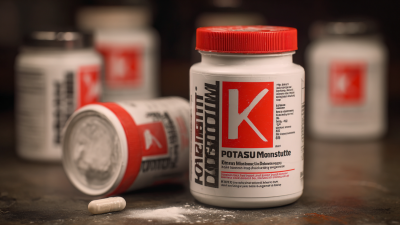
In recent years, the importance of effective disinfectants in various industries has become increasingly apparent, especially in the wake of heightened hygiene standards globally. Among the notable options available, Potassium Monopersulfate Disinfectant has emerged as a leading choice due to its broad-spectrum efficacy against bacteria, viruses, and fungi. A report by the Global Disinfectant Market Research predicts a significant growth trajectory for potassium-based disinfectants, projecting a compound annual growth rate (CAGR) of 8.5% from 2021 to 2026, driven by rising demand in healthcare, food service, and hospitality sectors.
Renowned industry expert Dr. Emily Clarke, a microbiologist with over two decades of experience in disinfectant formulation and testing, states, "Potassium Monopersulfate Disinfectant is not only highly effective but also offers a versatile solution for diverse applications. Its stability and non-toxic profile make it an essential tool for achieving ultimate hygiene." As we look toward 2025, identifying the top potassium monopersulfate disinfectants will be crucial for businesses and consumers aiming to uphold the highest standards of cleanliness and safety in their environments. This introduction serves to guide readers through the top five products in this category, ensuring informed choices for optimal hygiene practices.
Understanding Potassium Monopersulfate: Definition and Applications
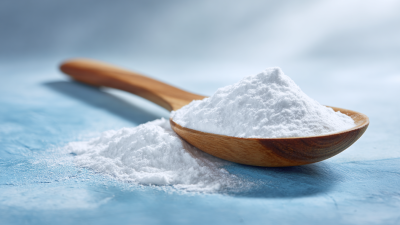
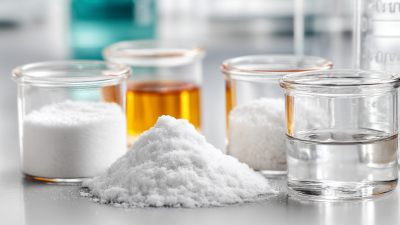
Potassium monopersulfate is a powerful oxidizing agent used primarily as a disinfectant and sanitizing agent. It is a white crystalline powder and is often found in formulations for water treatment, spa maintenance, and surface sanitation. Known for its ability to break down organic matter, potassium monopersulfate effectively eliminates bacteria, viruses, and fungi, making it a popular choice in various industries that prioritize hygiene and safety.
In addition to its disinfecting properties, potassium monopersulfate has several applications in the food industry, aquaculture, and even in pools and spas. Its fast-acting formula allows for rapid disinfection without the lingering odors associated with chlorine-based products. Furthermore, potassium monopersulfate is stable in a wide range of pH conditions, enhancing its usability across different environments. By understanding its definition and diverse applications, industries can harness the benefits of this compound to ensure a higher standard of cleanliness and hygiene in their operations.
2025 Top 5 Potassium Monopersulfate Disinfectants for Ultimate Hygiene
This chart illustrates the efficacy ratings of the top 5 potassium monopersulfate disinfectants for optimal hygiene. Ratings are based on performance metrics related to disinfection efficiency against various pathogens.
Evaluating Effectiveness: How to Choose the Best Disinfectants for Your Needs
When selecting the best disinfectants for your needs, it's essential to evaluate their effectiveness based on various parameters. Potassium monopersulfate disinfectants have gained attention for their strong oxidative properties, making them effective against a wide range of pathogens, including bacteria and viruses. According to a report from the American Society for Microbiology, potassium monopersulfate can reduce specific pathogens by up to 99.9% in just a few minutes, highlighting its potency in achieving ultimate hygiene.
To ensure you choose the right disinfectant, consider the concentration level, contact time required for efficacy, and the type of surfaces you'll be treating. Different formulations can have varying impacts on materials, so testing in a small area first is advisable. The Environmental Protection Agency (EPA) reports that effective disinfectants not only eliminate germs but also leave surfaces safe for human contact post-application.
**Tips:** Always check for EPA registration to confirm the disinfectant's effectiveness claims. Additionally, keep an eye on user reviews and case studies to understand how specific products perform in real-world scenarios. Lastly, opt for eco-friendly options whenever possible to minimize environmental impact while ensuring safety and cleanliness.
Top 5 Potassium Monopersulfate Disinfectants for 2025: Features and Benefits
Potassium monopersulfate disinfectants are gaining traction in the hygiene industry, especially in 2025, due to their unique combination of efficacy and environmental safety. According to a report by the Global Disinfectant Market Analysis, the demand for potassium monopersulfate-based products has surged by 15% annually, attributed to their ability to kill pathogens quickly and effectively. These disinfectants are versatile, making them ideal for a variety of applications, from public spaces to residential areas, thereby enhancing overall hygiene and safety standards.
One of the key features of potassium monopersulfate disinfectants is their rapid action against a broad spectrum of microorganisms, including viruses, bacteria, and fungi. Research indicates that they can achieve a 99.9% reduction of harmful pathogens within just minutes of application. Additionally, these products are environmentally friendly, breaking down into harmless byproducts without contributing to chemical toxicity, which aligns with the increasing demand for sustainable disinfecting solutions. This dual benefit of speed and safety positions potassium monopersulfate as a top choice for those prioritizing hygiene in 2025.
2025 Top 5 Potassium Monopersulfate Disinfectants for Ultimate Hygiene
| Disinfectant Name |
Active Ingredient Concentration (%) |
Contact Time (minutes) |
Applications |
pH Level |
Regulatory Status |
| Disinfectant A |
40 |
10 |
Surface Disinfection |
6.5 - 7.5 |
EPA Registered |
| Disinfectant B |
35 |
5 |
Water Treatment |
6.0 - 7.0 |
Registered with NSF |
| Disinfectant C |
30 |
15 |
Food Processing Areas |
7.0 - 8.0 |
FDA Compliant |
| Disinfectant D |
50 |
8 |
Medical Equipment |
6.0 - 7.0 |
ISO Certified |
| Disinfectant E |
25 |
20 |
General Disinfection |
7.5 - 8.5 |
CE Marked |
Safety Considerations: Best Practices for Using Potassium Monopersulfate Disinfectants
When using potassium monopersulfate disinfectants, safety considerations should always be at the forefront. This powerful oxidizing agent is effective in killing bacteria and viruses, but improper handling can cause health risks. Ensure you work in a well-ventilated area to avoid inhaling any fumes, and always wear appropriate personal protective equipment (PPE) such as gloves and goggles. Store the disinfectant in a cool, dry place away from incompatible substances to prevent any hazardous reactions.
Tips for safe usage include always reading the manufacturer's instructions before application, as concentration levels can vary. When diluting the disinfectant, add the powder to water—not the other way around—to prevent a vigorous reaction that could release harmful gases. Additionally, conduct a patch test on a small, inconspicuous surface before applying it widely, especially on delicate materials. This will help to avoid potential damage while ensuring the efficacy of your chosen disinfectant. Regularly check your supplies and expiration dates, as using expired disinfectants can compromise safety and effectiveness.
Future Trends: Innovations in Disinfectant Technology for Enhanced Hygiene
 Recent advancements in disinfectant technology are leading to significant market growth, particularly in the realm of
potassium monopersulfate disinfectants. These innovations focus on improving efficacy and safety, making the products more
suitable for a diverse range of applications, from textiles to healthcare environments. Enhanced formulations are emerging that not only provide superior
antimicrobial properties but also offer ease of use and environmental compatibility. This resonates with the growing consumer demand for
effective and eco-friendly cleaning solutions.
Recent advancements in disinfectant technology are leading to significant market growth, particularly in the realm of
potassium monopersulfate disinfectants. These innovations focus on improving efficacy and safety, making the products more
suitable for a diverse range of applications, from textiles to healthcare environments. Enhanced formulations are emerging that not only provide superior
antimicrobial properties but also offer ease of use and environmental compatibility. This resonates with the growing consumer demand for
effective and eco-friendly cleaning solutions.
Additionally, the integration of smart technologies into disinfectant products is becoming more prevalent. Companies are exploring
novel delivery systems and chemical compositions that maximize the disinfectant's lifespan and effectiveness. These developments are crucial as they meet the
increasing need for enhanced hygiene standards across various sectors. As industries continue to prioritize cleanliness and safety, the evolution of disinfectant
technologies will play a vital role in shaping market dynamics and consumer preferences in the coming years.