Top 5 Aquatic Disinfectants for Safe and Clean Water Environments
In the realm of maintaining safe and clean water environments, the importance of effective aquatic disinfectants cannot be overstated. Aquatic disinfectants play a critical role in ensuring the health of aquatic ecosystems, recreational waters, and municipal water supplies. According to Dr. Emily Richards, a renowned expert in water quality management, "Choosing the right aquatic disinfectant is essential not only for protecting human health but also for preserving the delicate balance of aquatic life."

The diversity of disinfectants available on the market can be overwhelming, yet understanding their specific applications and effectiveness is paramount for optimal water sanitation. From eliminating harmful pathogens to mitigating the impact of contamination, each disinfectant has unique properties tailored to address various challenges in aquatic environments. In this article, we will explore the top five aquatic disinfectants, highlighting their features and benefits to guide users in selecting the most appropriate solutions for their needs.
As we navigate through the intricacies of aquatic disinfection, it becomes clear that informed choices are crucial in fostering a safe environment for both people and marine ecosystems. With the insights shared by experts in the field, we aim to shed light on the best practices and innovations that are paving the way for cleaner, healthier water.
Top 5 Aquatic Disinfectants: An Overview of Types and Applications
Aquatic disinfectants play a vital role in ensuring the safety and cleanliness of water environments. This overview focuses on the different types and applications of these disinfectants, particularly highlighting the importance of
chlorine-based disinfectants in various settings. Chlorine, in the form of hypochlorous acid (HOCl) and hypochlorite ion (OCl−), is widely utilized for its effectiveness in killing
pathogens. Understanding the distinction between these forms helps in choosing the appropriate disinfectant for specific situations, such as drinking water treatment and surface disinfection.
In recent analyses, the market for
water treatment chemicals is projected to expand significantly, reflecting a growing emphasis on safe water practices. Point-of-use (POU) systems are gaining traction in areas lacking
centralized treatment facilities, providing essential solutions for immediate disinfection needs. Moreover, studies regarding the impact of disinfectants on materials, such as medical gloves, underscore the necessity of balancing efficacy with safety.
These insights highlight the evolving landscape of aquatic disinfection, focusing on developing more effective, environmentally friendly solutions while ensuring public health safety.
The Role of Chlorine Compounds in Aquatic Disinfection: Efficacy and Safety
Chlorine compounds play a pivotal role in aquatic disinfection, primarily due to their efficacy in eliminating pathogens that pose risks to human health. Chlorine, in various forms such as sodium hypochlorite and calcium hypochlorite, acts as a strong oxidizing agent. When introduced into water, these compounds effectively disrupt the cellular processes of microorganisms, leading to their inactivation. This functionality makes chlorine a popular choice for treating swimming pools, drinking water supplies, and industrial water systems, where maintaining hygiene is crucial.
However, the use of chlorine compounds also raises concerns regarding safety and by-product formation. While chlorine effectively reduces microbial populations, its interaction with organic matter can lead to the formation of disinfection by-products (DBPs) such as trihalomethanes and haloacetic acids, which may pose health risks with prolonged exposure. Consequently, the management of chlorine levels is essential to balance effective disinfection with minimizing potential adverse effects. Advances in technology and monitoring have emerged to ensure that chlorine is applied in a manner that maximizes safety while still achieving high standards of water quality.
Comparative Analysis of Ozone vs. Ultraviolet Light for Water Purification
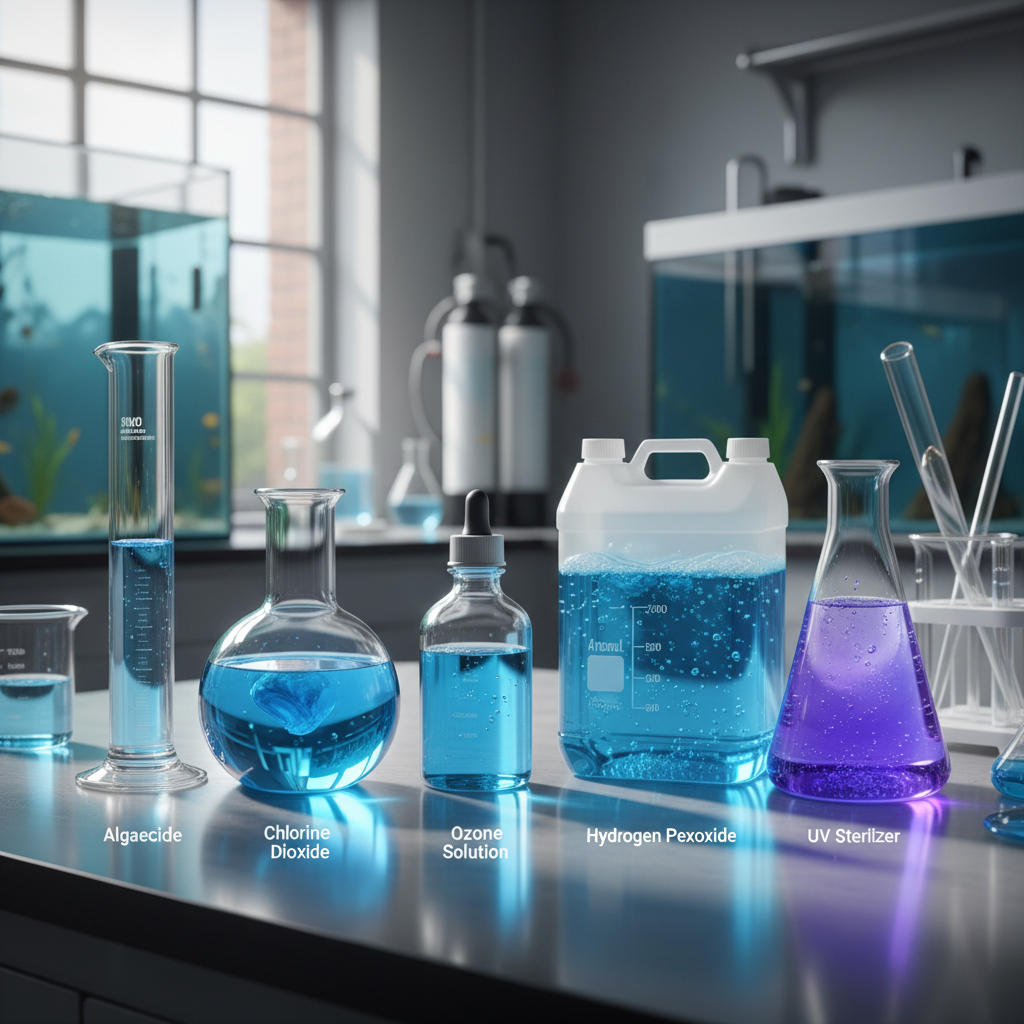
Ozone and ultraviolet (UV) light are two highly effective methods for water purification, each with its unique advantages. Ozone disinfection involves generating ozone gas to oxidize contaminants, thereby stabilizing microbial compositions, especially in aquaculture settings like recirculating aquaculture systems (RAS) for Pacific white shrimp. Research demonstrates that ozonation aids in controlling harmful nitrite levels and positively influences biofilms and shrimp health, making it a compelling option for aquaculture enthusiasts.
On the other hand, UV irradiation offers an efficient way to achieve safe drinking water free from microbial contamination. It involves exposing water to UV light, which disrupts the DNA of bacteria and viruses, rendering them inactive. Recent studies on drinking water disinfection show that container designs significantly affect UV efficiency, highlighting the need for careful consideration when choosing UV technology for domestic or industrial applications.
Tips: When selecting a water disinfection method, consider the specific requirements of your environment. For aquaculture, ozonation may enhance water quality and shrimp health, while UV systems can be a reliable choice for drinking water safety. Regular maintenance and monitoring are essential for maximizing the effectiveness of either technology.
Exploring Natural Disinfectants: Hydrogen Peroxide and Their Ecological Impact
Hydrogen peroxide is gaining attention as a preferred natural disinfectant in aquatic environments due to its effectiveness and relatively low ecological impact. A study by the U.S. Environmental Protection Agency (EPA) indicates that hydrogen peroxide breaks down into water and oxygen, rendering it an environmentally friendly choice compared to traditional chlorine-based disinfectants, which can lead to harmful byproducts. This characteristic makes hydrogen peroxide particularly appealing for use in environments sensitive to chemical residues, such as aquaculture and recreational water bodies.
Furthermore, the World Health Organization (WHO) has classified hydrogen peroxide as a safe disinfectant when used at recommended concentrations, typically between 35% and 50%. Its versatility allows for various applications, including water treatment, equipment sanitization, and algal bloom control, supporting healthier aquatic ecosystems. According to a recent report by Transparency Market Research, the global market for hydrogen peroxide is projected to reach USD 6.4 billion by 2026, reflecting its growing acceptance among industries prioritizing sustainable practices. The shift towards more natural disinfectants like hydrogen peroxide highlights a broader commitment within the industry to enhance water safety while minimizing ecological footprints.
The Importance of Monitoring Disinfectant Levels for Maintaining Water Quality Standards
Maintaining water quality standards is crucial for ensuring safe and clean environments, particularly in aquatic settings.
One of the most effective ways to achieve this is through the rigorous monitoring of disinfectant levels.
Disinfectants, such as chlorine and bromine, play a vital role in eliminating harmful pathogens and microorganisms that can compromise health.
However, insufficient or excessive disinfectant levels can lead to serious consequences, including the survival of contaminants or adverse health effects in humans and aquatic life.
Regular testing and monitoring of disinfectant levels help water treatment facilities ensure compliance with safety regulations and quality standards. By utilizing advanced testing methods, operators can quickly identify fluctuations in disinfectant concentration.
This proactive approach not only protects public health but also minimizes the risk of waterborne diseases.
Furthermore, consistent monitoring allows for timely adjustments to be made, ensuring that disinfectant levels remain within the optimal range to provide a safe and clean aquatic environment for all users.