Top 5 Animal Disinfectant Tips for Effective Livestock Hygiene?
Maintaining appropriate livestock hygiene is vital for both animal welfare and farm productivity. An effective approach to hygiene involves the use of reliable animal disinfectants. According to a report by the USDA, livestock diseases lead to economic losses exceeding $14 billion annually. This staggering figure highlights the importance of effective disinfection practices on farms.
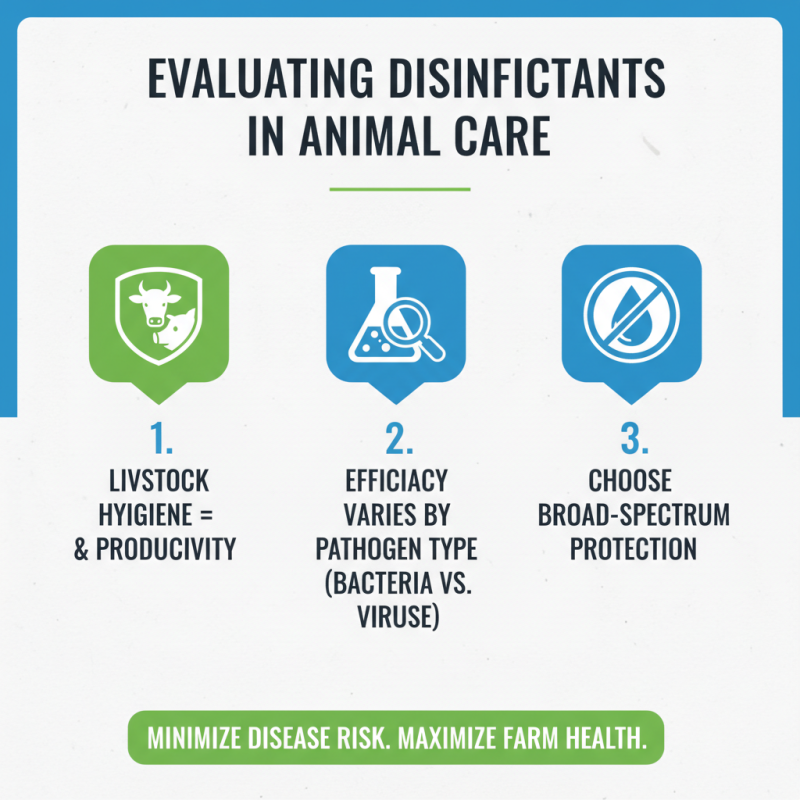
Animal disinfectants play a crucial role in controlling disease outbreaks. Regular use can significantly reduce pathogen loads in animal environments. The CDC recommends specific disinfectants to combat viral and bacterial threats in animal housing. However, many farms overlook the importance of selecting the right products and applying them correctly. Ineffective disinfection can lead to increased disease transmission, harming both animals and profits.
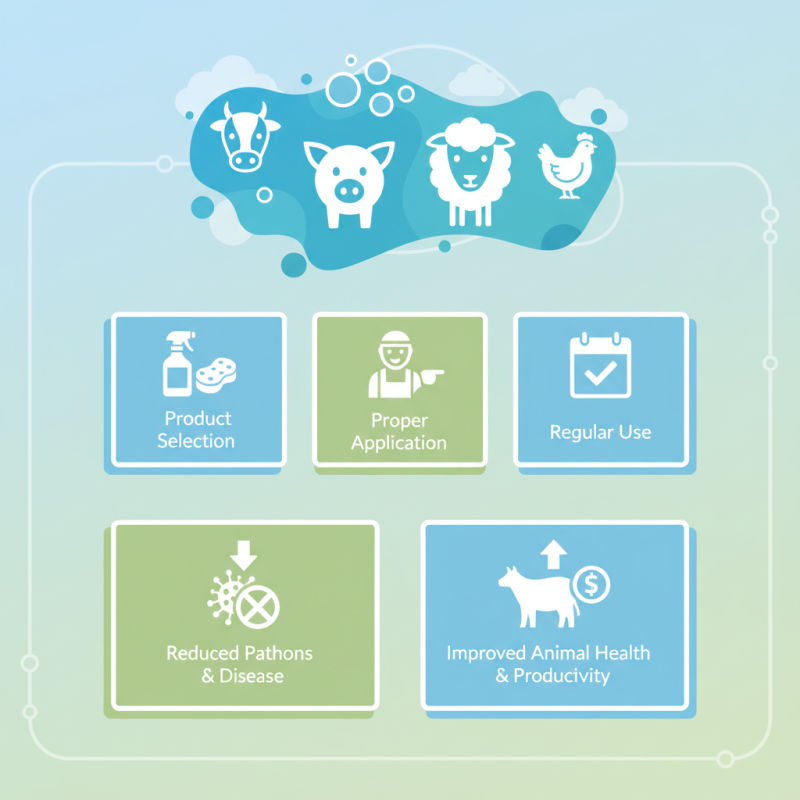
Farmers must focus on creating a comprehensive hygiene plan. This includes training staff on proper disinfection techniques and understanding pathogens present in their environment. Recognizing the potential flaws in current practices can improve overall biosecurity and health outcomes. By prioritizing the use of effective animal disinfectants, livestock operations can enhance animal health, productivity, and welfare.
Essential Importance of Disinfectants in Livestock Management
Disinfectants play a crucial role in livestock management. They help control pathogens that can cause diseases in animals, impacting their health and productivity. According to a report from the USDA, biosecurity measures, including proper disinfection, can reduce disease incidence by up to 30%. This statistic highlights the need for effective sanitation protocols in any livestock operation.
In addition to controlling disease, disinfectants are essential for maintaining overall farm hygiene. A clean environment minimizes stress for the animals. Studies suggest that lower stress levels contribute to better growth rates and higher milk production. However, selecting the right disinfectants requires knowledge and caution. Some products may not be effective against certain pathogens, which means that farmers must stay informed about available options.
Failing to implement a robust disinfection strategy can lead to significant financial losses. A report by the National Animal Health Monitoring System indicates that livestock diseases can cost farmers up to $1 billion annually. Regular audits of disinfection practices are necessary. Without reflection and adjustment to routines, the risk of disease outbreaks remains high. Meaningful improvements in livestock hygiene require consistent effort and a willingness to adapt.
Understanding Different Types of Animal Disinfectants Available
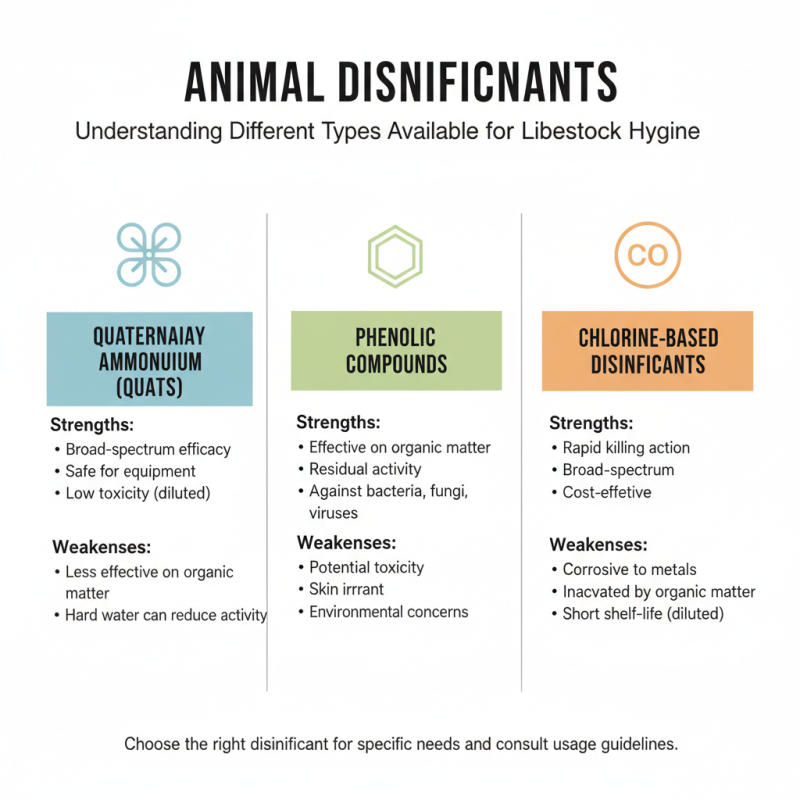
Understanding different types of animal disinfectants is essential for achieving effective livestock hygiene. Disinfectants can be broadly categorized based on their active ingredients: quaternary ammonium compounds (quats), phenolic compounds, and chlorine-based disinfectants. Each type has its strengths and weaknesses in terms of effectiveness, safety, and application methods.
Quats are commonly used in farms due to their versatility and effectiveness against various pathogens. According to a report by the World Organization for Animal Health, using quats can reduce bacteria counts by over 90%. They are favored for routine cleaning but may need a longer contact time to ensure their efficacy. However, in high-bacterial or viral environments, they might fall short.
Phenolic compounds are another option. They provide broad-spectrum activity and are particularly effective against viruses. However, phenolics can be corrosive and may require careful handling. It's critical to assess the specific needs of the livestock environment before choosing these disinfectants.
When considering disinfectant application, it's vital to follow proper dilution protocols. The USDA suggests ensuring that surfaces are pre-cleaned before applying disinfectants. This step enhances efficiency, preventing a buildup of biofilm that can hinder disinfectant action.
In practice, livestock operators should regularly review the effectiveness of their disinfectant choices. Some reports indicate that many farms overlook the need for routine evaluations, which can lead to ineffective sanitation practices. Regular audits can help identify gaps and ensure optimal animal health.
Step-by-Step Guide to Proper Disinfection Techniques
Effective livestock hygiene is critical for animal health and productivity. To achieve this, proper disinfection techniques must be followed. Start by cleaning surfaces thoroughly. Remove organic matter like feed, manure, and bedding. This step is essential, as disinfectants cannot penetrate dirt.
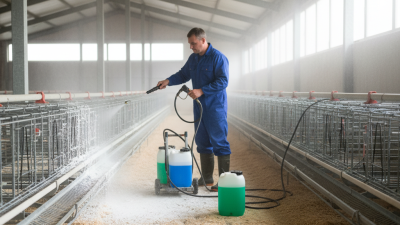
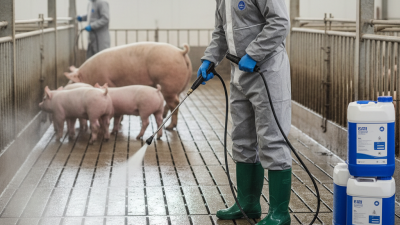
Once cleaned, choose a suitable disinfectant. Make sure it is effective against a wide range of pathogens. Dilute it according to the manufacturer’s instructions. Apply the disinfectant using a sprayer or mop. Cover all surfaces equally to ensure maximum effectiveness. Allow sufficient contact time for the disinfectant to work. This may vary from several minutes to hours, depending on the product used.
Don’t forget to ventilate the area during and after disinfection. Fumes can be harmful to both livestock and humans. Regular monitoring of the sanitation routine is necessary. Assess its effectiveness and adjust as needed. Make notes on what works best and what doesn’t. Disinfection is not a one-time task; it requires ongoing attention and refinement.
Top 5 Animal Disinfectant Tips for Effective Livestock Hygiene
Best Practices for Routine Disinfection Schedules on Farms
Effective routine disinfection is crucial for maintaining livestock hygiene on farms. Establishing a consistent schedule can significantly reduce pathogens and disease outbreaks. Disinfectant application should happen after cleaning, ensuring that surfaces are free from organic matter. This step is essential, as organic matter can inactivate many disinfectants. Remember, not all disinfectants work equally on different surfaces.
Manual and mechanical cleaning methods should precede the disinfection process. Have a checklist for daily, weekly, and monthly tasks. For example, daily cleaning might include feeding areas, while larger equipment could be disinfected weekly. Consider seasonal changes, too, as weather can affect hygiene practices. Livestock rotation can help in planning effective disinfection cycles.
While it’s easy to overlook certain areas, thoroughness is vital. Pay special attention to high-touch points, such as gates and feeders. Regular audits of your protocol can reveal gaps in your routine. Consistent monitoring allows for adjustments. Keep the lines of communication open within your team. Everyone must understand their roles in maintaining a clean environment.