What is the Difference Between Disinfectant and Disinfection? Understanding Essentials
In the ever-evolving landscape of health and safety, understanding the nuances of "Disinfectant and Disinfection" is more crucial than ever. According to Dr. Emily Johnson, a leading microbiologist and expert in the field, “Recognizing the difference between disinfectants and disinfection processes is essential for effective infection control in both public and private spaces.” This statement underscores the importance of a clear distinction that can significantly affect outcomes in various environments, from hospitals to households.
Disinfectants are chemical agents designed to eliminate microorganisms on surfaces, while disinfection refers to the process of using these agents to achieve that goal. The synergy between disinfectants and the disinfection procedure is vital for ensuring that spaces are not only clean but also safe from harmful pathogens. As we delve deeper into this topic, we will explore the key differences, applications, and best practices related to disinfectants and disinfection, empowering readers to make informed decisions about their hygiene and health standards.
Difference Between Disinfectant and Disinfection: Key Definitions
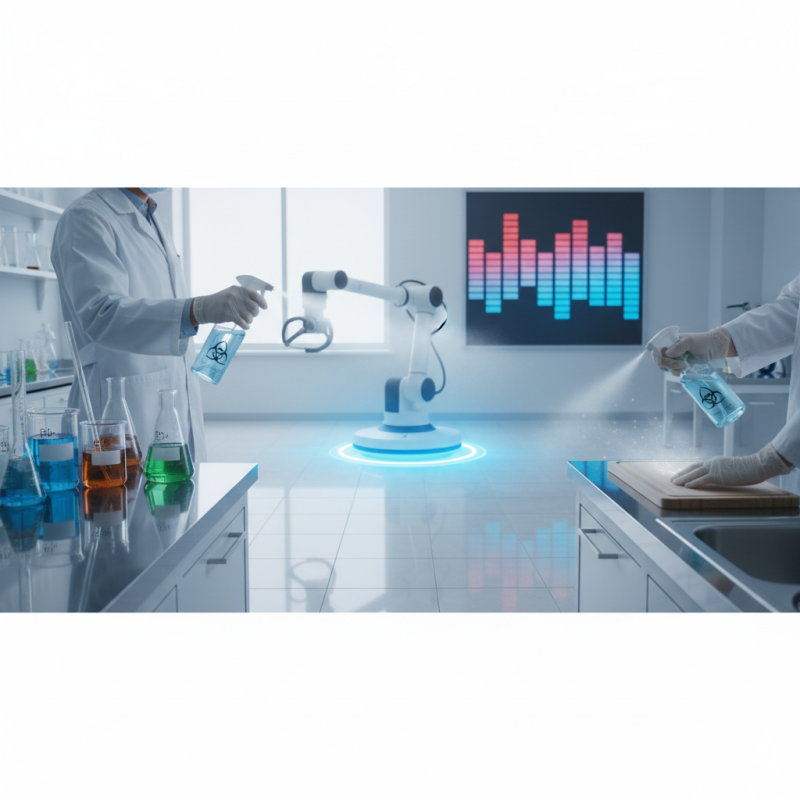
Disinfectants and disinfection are often mentioned together, yet they refer to different aspects of cleaning and sanitization processes. A disinfectant is a chemical agent specifically formulated to kill or deactivate harmful microorganisms on surfaces. These products are typically used in various environments, including healthcare facilities, kitchens, and public spaces, to ensure that surfaces are free from pathogens that could pose health risks to individuals.
On the other hand, disinfection is the process of applying a disinfectant to a surface to achieve the goal of killing or reducing harmful microbes to safe levels. This process may involve several steps, including cleaning the surface to remove dirt and grime before applying the disinfectant. The effectiveness of disinfection relies on proper usage techniques, such as allowing adequate contact time for the disinfectant to work and following specific instructions regarding dilution and application.
Understanding the difference between these two terms is essential for effective cleaning and infection control practices.
Chemical Composition: Analyzing Active Ingredients in Disinfectants
The distinction between disinfectants and the process of disinfection fundamentally lies in their chemical composition and intended usage. Disinfectants are substances designed specifically to eliminate pathogens on surfaces and can be characterized by their active ingredients, which determine their effectiveness. According to the Environmental Protection Agency (EPA), commonly used active ingredients include quaternary ammonium compounds, hydrogen peroxide, and sodium hypochlorite. Each of these chemicals has distinct properties that affect their ability to target various types of microorganisms, ranging from bacteria to viruses.
Research indicates that the concentration of these active ingredients directly correlates with their efficacy. For example, a study published in the "American Journal of Infection Control" found that a concentration of 10% bleach solution was effective in eliminating the Norovirus from surfaces. Similarly, quaternary ammonium compounds were shown to be effective against a broad spectrum of bacteria when used at specific concentrations, reinforcing the idea that understanding these active ingredients is crucial for effective disinfection practices. Thus, when selecting a disinfectant, it's important to consider not only the active ingredients but also their compositions and the specific pathogens they target to ensure optimal safety and effectiveness in infection control strategies.
What is the Difference Between Disinfectant and Disinfection? Understanding Essentials - Chemical Composition: Analyzing Active Ingredients in Disinfectants
| Active Ingredient |
Chemical Family |
Common Usage |
Effectiveness Against |
Contact Time |
| Sodium Hypochlorite |
Halogen |
Household Disinfectant |
Bacteria, Viruses, Fungi |
10 minutes |
| Ethanol |
Alcohol |
Hand Sanitizer |
Bacteria, Viruses |
30 seconds |
| Quaternary Ammonium Compounds |
Cationic Surfactants |
Surface Disinfectant |
Bacteria, Fungi |
10 minutes |
| Hydrogen Peroxide |
Oxidizing Agent |
Surface Disinfectant |
Bacteria, Viruses, Spores |
1 minute |
| Phenolic Compounds |
Phenol |
Hospital Disinfectant |
Bacteria, Fungi, Viruses |
5-10 minutes |
Mechanisms of Action: How Disinfectants Achieve Disinfection
Disinfectants play a crucial role in maintaining sanitary environments, but understanding their mechanisms of action helps clarify the process of disinfection itself. Disinfectants are typically composed of active chemical agents, such as quaternary ammonium compounds or sodium hypochlorite, which target and destroy pathogens like bacteria, viruses, and fungi. The effectiveness of these agents is assessed by metrics such as the Log Reduction Rate, which measures the decrease in viable pathogens. Reports indicate that a standard disinfectant can achieve up to a 99.9% reduction in common viruses and bacteria when used correctly.
The action of disinfectants can be categorized into several mechanisms: oxidizing agents disrupt cellular structures, surface-active agents disrupt cell membranes, and some compounds can even interfere with metabolic pathways. For instance, hydrogen peroxide acts as an oxidizer, generating reactive oxygen species that damage cellular components, while alcohol-based disinfectants denature proteins, rendering pathogens inactive. Understanding these pathways not only enhances the efficacy of cleaning processes but also aids in the selection of appropriate disinfectants for specific applications.
Tips: To maximize the effectiveness of disinfectants, always ensure surfaces are clean before application, as dirt and organic matter can shield pathogens from being effectively targeted. Additionally, adhere to contact time recommendations; many disinfectants require several minutes of surface contact to achieve optimal efficacy. Regular training and evaluations on proper disinfection protocols within facilities can further enhance safety and health standards.
Efficacy Standards: Comparing EPA and WHO Guidelines for Use
When evaluating the efficacy of disinfectants, it is essential to consider the guidelines established by reputable organizations such as the
Environmental Protection Agency (EPA) and the
World Health Organization (WHO). Both institutions provide comprehensive standards; however, their focus and applications can differ significantly.
The EPA emphasizes the regulatory aspects of disinfectant products used in the United States, requiring manufacturers to demonstrate efficacy against specific pathogens under defined conditions.
This helps ensure that the products consumers choose are effective in reducing harmful microorganisms within various environments.
On the other hand, the WHO offers global health guidelines that address broader public health concerns, especially in response to outbreaks and pandemics.
Their recommendations are often tailored for healthcare settings, emphasizing the importance of proper disinfecting techniques as well as the types of surfaces and materials that require attention.
WHO guidelines stress the need for scientific evidence when selecting disinfectants, highlighting the characteristics that affect their performance, such as contact time and surface compatibility.
By understanding these distinctions, users can better navigate both sets of guidelines to ensure effective disinfection practices that align with safety and health standards.
Practical Applications: When to Use Disinfectants vs. Disinfection Methods
Understanding when to use disinfectants versus employing disinfection methods is crucial for maintaining a safe and hygienic environment. Disinfectants are chemical agents specifically designed to eliminate or inactivate pathogenic microorganisms on surfaces. They are powerful tools for tasks such as sterilizing countertops in hospitals or cleaning kitchen surfaces after handling raw food. In these situations, a concentrated disinfectant is often preferred to ensure that harmful bacteria and viruses are effectively eradicated.
On the other hand, disinfection methods encompass a broader range of processes aimed at reducing or eliminating pathogens. These can include physical methods, such as heat treatment or UV light exposure, alongside chemical disinfection. For instance, in everyday household cleaning, using hot water and soap can suffice for disinfecting less contaminated surfaces like tables or floors. However, for high-risk areas, such as bathrooms, a more robust disinfection method that includes chemical disinfectants may be essential. Knowing the right context for each approach allows for effective infection control across various environments, from healthcare settings to domestic spaces.