How to Choose the Best Cattle Shed Disinfectant for Your Farm?
Choosing the right Cattle Shed Disinfectant is vital for maintaining a healthy farm environment. As Dr. John Miller, a renowned livestock hygiene expert, states, “A clean shed leads to healthier cattle.” The selection process can feel overwhelming. Many products flood the market, each claiming unique benefits. It's essential to look beyond marketing claims.
Farmers often struggle to identify the most effective disinfectant. It can lead to costly mistakes and poor cattle health. For example, a disinfectant with a strong chemical scent may deter animals. Some farmers overlook the impact of ingredients on both cattle and environment.
Ultimately, the choice of Cattle Shed Disinfectant should reflect the specific needs of your farm. Consider factors like effectiveness, safety, and cost. Evaluate the guidance of experts while also trusting your instincts. Disinfectants should not only eliminate pathogens but also promote overall well-being.
Understanding the Importance of Disinfectants in Cattle Shed Hygiene
Maintaining hygiene in a cattle shed is crucial for the health of livestock.
Disinfectants play a significant role in this process. They eliminate harmful pathogens that can cause diseases.
A clean environment reduces the risk of infections. This, in turn, enhances overall productivity in cattle.
Regular cleaning with appropriate disinfectants can minimize the spread of illness.
Choosing the right disinfectant requires understanding its effectiveness. Not all products work well against
specific pathogens. Some may be less effective than advertised. It’s essential to consider the type of
bacteria or virus you’re dealing with. Take time to research and test various options.
The smell of a disinfectant can also impact livestock behavior. Strong odors may stress the animals, leading to
decreased performance.
Check the application methods too. Some disinfectants require longer contact times to be effective. Others may
need dilution before use. Understanding these details can make all the difference. Manufacturers may promise
quick results, but always read the instructions carefully. An informed choice
is key to maintaining a healthy cattle shed. This reflects in the overall welfare of the animals.
Key Factors to Consider When Selecting Cattle Shed Disinfectants
When selecting the best cattle shed disinfectant, several key factors come into play. One crucial aspect is the effectiveness of the disinfectant against various pathogens. Studies show that a good disinfectant should eliminate over 99.9% of harmful bacteria and viruses commonly found in cattle environments. This statistic emphasizes the need for products that can handle a robust range of microorganisms.
Another factor to consider is safety for both livestock and handlers. A disinfectant must not cause irritation or adverse effects in cattle. Data indicates that using non-toxic, environmentally friendly disinfectants can reduce chemical exposure risks. However, these products may sometimes require higher concentrations or longer contact times, which can be an inconvenience for farmers.
Cost efficiency also plays a significant role. Some disinfectants are overpriced compared to their benefits. It’s essential to find a balance between cost and effectiveness. A cheaper product may not achieve the desired sanitation level, leading to potential infection outbreaks. Yet, premium products might strain a farm's budget, calling for careful evaluation. This complex issue often requires reflection on the specific needs and constraints of each farm.
Comparative Analysis of Common Cattle Shed Disinfectants in the Market
When selecting a disinfectant for cattle sheds, it is crucial to compare available options. Some disinfectants are based on quaternary ammonium compounds. They work effectively but may leave residues that require additional cleaning. Another popular choice is sodium hypochlorite, which is efficient against a broad spectrum of pathogens. However, it can be corrosive and may damage some surfaces.
Hydrogen peroxide is also a candidate. It breaks down into water and oxygen, making it environmentally friendly. Yet, its effectiveness can diminish in the presence of organic matter. Some farmers lean towards natural alternatives, believing they to be safer. Essential oils and vinegar are examples. While they sound appealing, their effectiveness often lacks scientific backing.
Choosing the right disinfectant involves trial and error. Each farm has unique needs. The right balance between effectiveness and safety is needed. Unfortunately, some products may not deliver as promised. Testing different options could face resistance, but it's often necessary. A thorough analysis can lead to informed choices. Disinfecting cattle sheds is essential for herd health, but it requires careful thought.
Evaluating Efficacy: How to Test the Effectiveness of Disinfectants
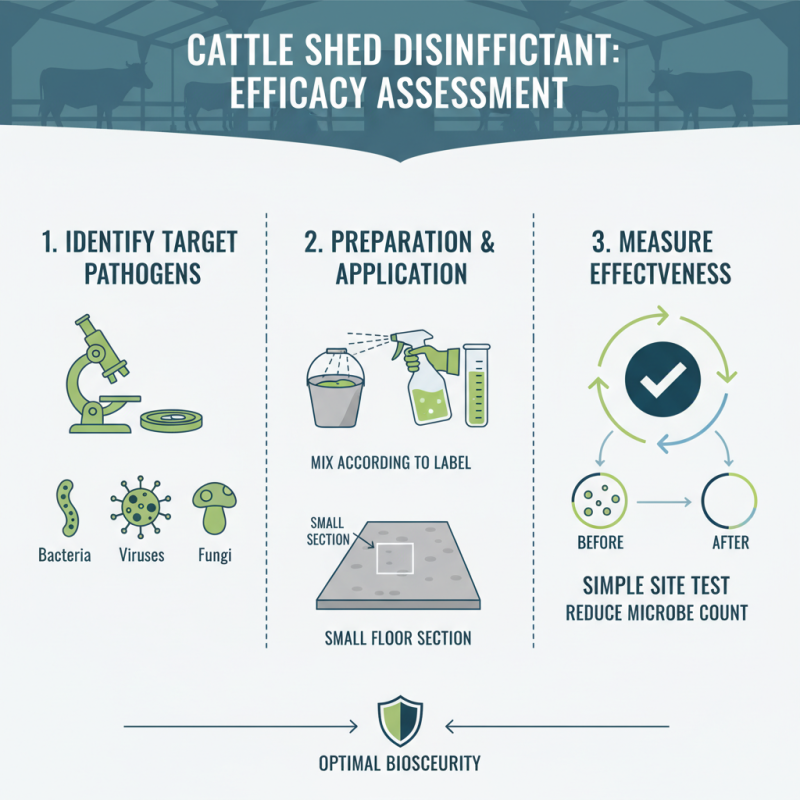
When selecting the best disinfectant for cattle sheds, assessing efficacy is crucial. Start by understanding the specific pathogens you need to target. Different disinfectants work against bacteria, viruses, and fungi. A simple test can help measure effectiveness. Mix the disinfectant according to label instructions. Use a surface area for application, like a small section of the floor.
To evaluate, allow the disinfectant to dwell for the recommended time. Afterward, swab the area with sterile wipes and culture those samples. Compare results before and after disinfection. This can be a lengthy process with challenges along the way. You might find that some products are not as effective as claimed.
Reflect on your findings. If a disinfectant fails to meet your expectations, reconsider factors like concentration and application method. Remember, it’s not just about choosing a product; it’s about continuous improvement. Make notes on what worked and what didn’t. Your cattle's health depends on rigorous testing and adjustments.
Best Practices for Applying Disinfectants in Cattle Sheds for Maximum Impact
Disinfecting cattle sheds is crucial. It helps prevent diseases and keeps your herd healthy. To maximize the impact, follow these best practices during application.
Start by cleaning the shed thoroughly. Remove bedding, manure, and debris. This allows disinfectants to work effectively. Afterward, apply the disinfectant evenly. Use a sprayer for better coverage. Ensure all surfaces, including walls and floors, are treated.
Tip: Always wear protective gear. Disinfectants may be harsh on skin. Ventilate the area before and after application. Allow the disinfectant to sit for the recommended time. Inadequate time can reduce effectiveness.
Reflect on your routine. Are you consistent with your cleaning schedule? Consider how many cattle are housed. Higher densities require more frequent disinfection. Regularly review your methods to improve outcomes. Adjust based on your farm's needs. Each farm is unique; find what works best for you.