How to Choose the Best Animal Disinfectant for Your Needs?
In the world of animal care, the choice of an effective Animal Disinfectant is crucial. Dr. Jane Thompson, a leading expert in veterinary hygiene, emphasizes, "Selecting the right disinfectant can save lives." Disinfectants help reduce the spread of diseases among animals, ensuring a safe environment.
Choosing an Animal Disinfectant requires careful consideration. Different products serve various purposes. Some may be more effective against specific pathogens, while others focus on odor control. It’s essential to understand the specific needs of your facility or practice. Overlooking these aspects can result in ineffective sanitation and increased health risks.
Furthermore, not all disinfectants are equally safe for animals. Toxic ingredients can lead to adverse reactions. Therefore, seeking expert guidance and reviewing product labels is vital. Balancing effectiveness with safety is a challenge many face. Reflecting on personal experiences can enhance decision-making in this critical area.
Understanding the Importance of Animal Disinfectants in Veterinary Practices
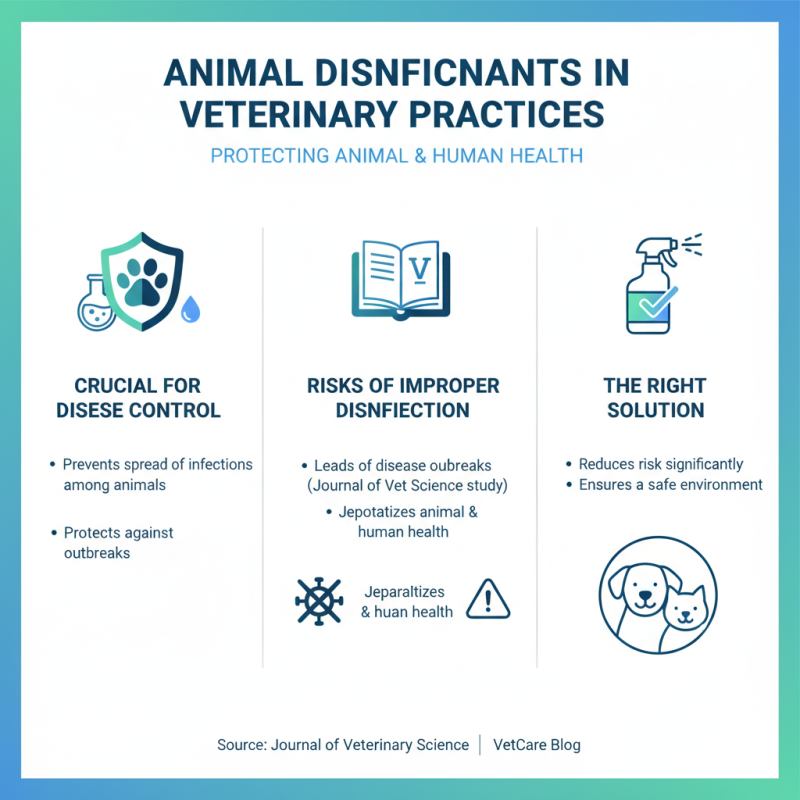
In veterinary practices, the use of effective disinfectants is crucial. They help control the spread of infectious diseases among animals. A study from the Journal of Veterinary Science indicated that improper disinfection can lead to outbreaks, risking both animal and human health. The right disinfectant can greatly reduce this risk.
When selecting an animal disinfectant, understanding the types of pathogens present is essential. Bacteria, viruses, and fungi have varying resistance to disinfectants. For instance, parvovirus can survive in the environment for months, complicating disinfection efforts. Not every product is suitable for every situation. An effective strategy involves choosing a disinfectant that targets specific pathogens while being safe for animals.
Veterinary professionals often face challenges in maintaining a sterile environment. Budget constraints can limit choices. Furthermore, some disinfectants may not be compatible with organic debris, reducing their efficacy. Regular training on proper disinfection protocols is necessary. Without it, even the best products can fail to provide adequate protection. This highlights the need for continuous learning in the field.
Key Factors to Consider When Selecting an Animal Disinfectant
When selecting an animal disinfectant, several key factors matter. The effectiveness of the disinfectant against specific pathogens is critical. A report by the U.S. Environmental Protection Agency (EPA) shows that proper selection can reduce disease transmission by over 90%. Knowing the pathogens prevalent in your environment helps greatly.
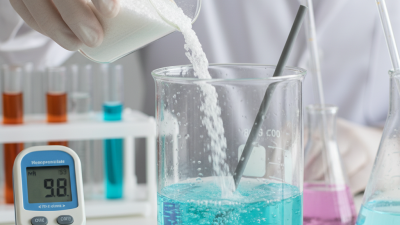
Concentration and contact time are also essential. Many disinfectants require specific dilutions to be effective. Some may need to sit on surfaces for several minutes to work correctly. Pay close attention to these details as they directly affect efficacy.
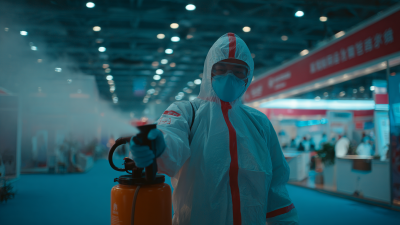
**Tips:** Always read labels thoroughly. Use protective gear when applying disinfectants. Check compatibility with surfaces to avoid damage. Regular training for staff on correct procedures can minimize human error.
Lastly, consider the safety profile of the disinfectant. Many products contain potent chemicals. Ensure that they are safe for both animals and humans. Inadequate safety measures can lead to health risks, which should not be overlooked. Prioritize substances with proven safety data.
How to Choose the Best Animal Disinfectant for Your Needs?
| Factor |
Description |
Examples |
Application |
| Efficacy |
Ability to kill or deactivate pathogens including bacteria, viruses, and fungi. |
Virucides, Bactericides |
Cages, barns |
| Surface Compatibility |
Safety and effectiveness on various surfaces like metal, plastic, and wood. |
Quaternary Ammonium Compounds, Phenols |
Equipment, floors |
| Contact Time |
Time required for the disinfectant to effectively kill pathogens. |
5 mins, 10 mins |
Routine cleaning, biosecurity protocols |
| Safety |
Considerations for toxicity to animals, humans, and the environment. |
Non-toxic formulations |
Animal housing, food areas |
| Cost-Effectiveness |
Price relative to the volume and effectiveness of the disinfectant. |
Bulk purchasing options |
Long-term use, budgeting |
Comparing Efficacy: Chemical vs. Natural Disinfectants for Animal Care
When it comes to animal care, choosing the right disinfectant is crucial. The effectiveness of chemical and natural disinfectants varies significantly. Chemical disinfectants are often more potent. They can kill a broader range of pathogens quickly. However, over-reliance on harsh chemicals raises concerns. These products can cause irritation in animals and humans. Furthermore, they can lead to resistant strains of bacteria.
On the other hand, natural disinfectants are gaining popularity. They are often safer for both animals and the environment. Ingredients like vinegar and essential oils can provide adequate sanitation. Yet, their efficacy may not always match that of chemical options. They might not eliminate all pathogens in critical situations. It’s essential to consider the specific needs of your animals when making a choice.
Each method has pros and cons. Understanding your unique context is vital. Evaluate the settings in which you disinfect. Do you have young animals susceptible to chemicals? Or are you tackling a stubborn outbreak? The decision may require a compromise. Ultimately, finding the right balance between safety and efficacy is a thoughtful challenge.
Recognizing Animal-Specific Pathogens and Their Disinfection Needs
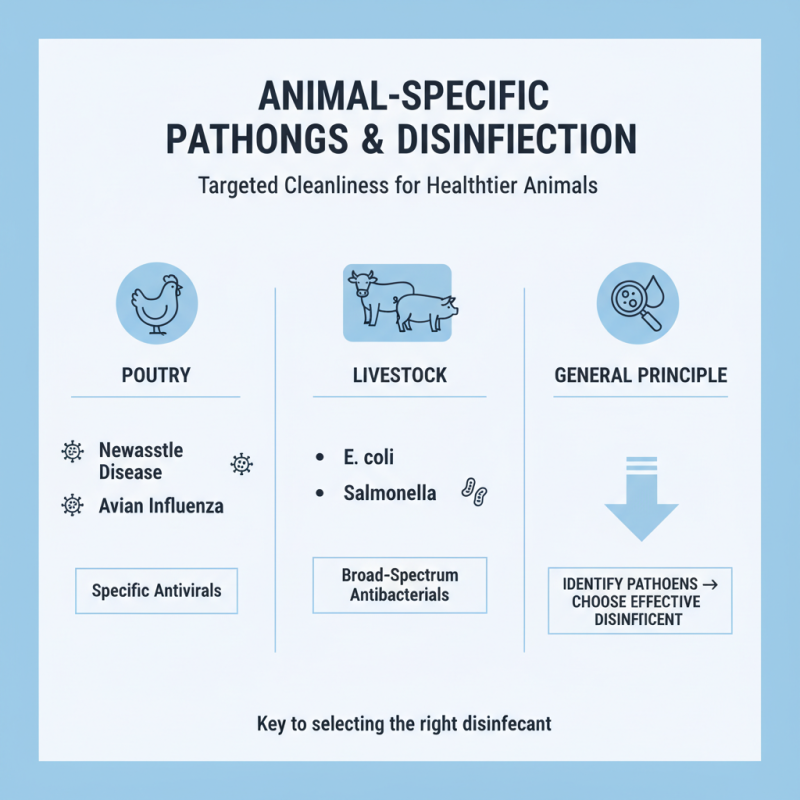
When selecting an animal disinfectant, understanding the pathogens specific to particular species is crucial. Different animals are susceptible to various bacteria and viruses. For example, avian species might face threats from Newcastle disease and avian influenza, while livestock often contend with E. coli and Salmonella. Knowing these pathogens allows caretakers to choose disinfectants designed to combat these threats effectively.
Each pathogen often requires unique disinfection methods and products. A one-size-fits-all approach may leave gaps in protection. Some disinfectants may lack effectiveness against specific pathogens. On the other hand, certain options might be overly harsh. This can damage animal habitats or lead to resistance. It is vital, therefore, to evaluate both the disinfectant's efficacy and its safety for the specific animal environment.
For effective disinfection, proper application techniques are essential. Following the manufacturer's guidelines is critical, but real-world application can differ. Factors such as surface type, biofilm presence, and environmental conditions can impact results. Testing different approaches can lead to better outcomes. Engaging with veterinary professionals can provide insightful guidance tailored to specific needs. This collaborative effort in understanding pathogens and their disinfection requirements fosters a healthier environment for animals.
Evaluating Safety and Environmental Impact of Animal Disinfectants
Choosing the right animal disinfectant is crucial. Safety and environmental impact are key factors in this decision. Many disinfectants contain harsh chemicals that can harm animals and the surrounding ecosystem. It’s vital to evaluate ingredients carefully. Look for products labeled as eco-friendly or biodegradable. These tend to have lesser impact on the environment.
Safety for animals should also be a priority. Some disinfectants may cause irritation or toxicity to pets and livestock. Always check for safety data sheets before use. Consider disinfectants that are specifically designed for veterinary use or for the types of animals you have. This can help minimize health risks.
However, there can be gaps in labeling. Sometimes, “natural” products are not as safe as they seem. They may still contain harmful substances. Researching each product and consulting with professionals can provide clarity. Reflecting on these concerns will lead to better choices. Remember, a safe, effective disinfectant protects both animals and the environment.