How to Choose the Best Disinfectant for Aquaculture?
Choosing the right disinfectant for aquaculture is crucial for fish health and disease management. The global aquaculture industry is projected to reach $240 billion by 2025, reflecting its importance in food security and economies. Effective disinfectants help prevent diseases that can devastate fish populations. Dr. Emily Harper, an expert in aquatic veterinary science, emphasizes, "The right disinfectant can be the difference between a thriving farm and a failed one."
When selecting disinfectant for aquaculture, it is vital to consider the specific pathogens prevalent in the environment. Research shows certain chemicals outperform others in efficacy against specific viruses and bacteria. Yet, many producers underestimate the importance of compatibility with aquatic life. A harsh disinfectant might ensure immediate safety, but the long-term impact could disrupt the ecosystem and affect fish growth.
Moreover, insufficient training on disinfectant use can lead to mistakes. Some farms employ disinfectants improperly, leading to ineffective results. Regular education and updates on best practices are necessary. The path to ensuring health in aquaculture is not without its challenges. Continuous reflection on selection processes is vital to enhance outcomes in this growing industry.
Understanding the Importance of Disinfectants in Aquaculture Systems
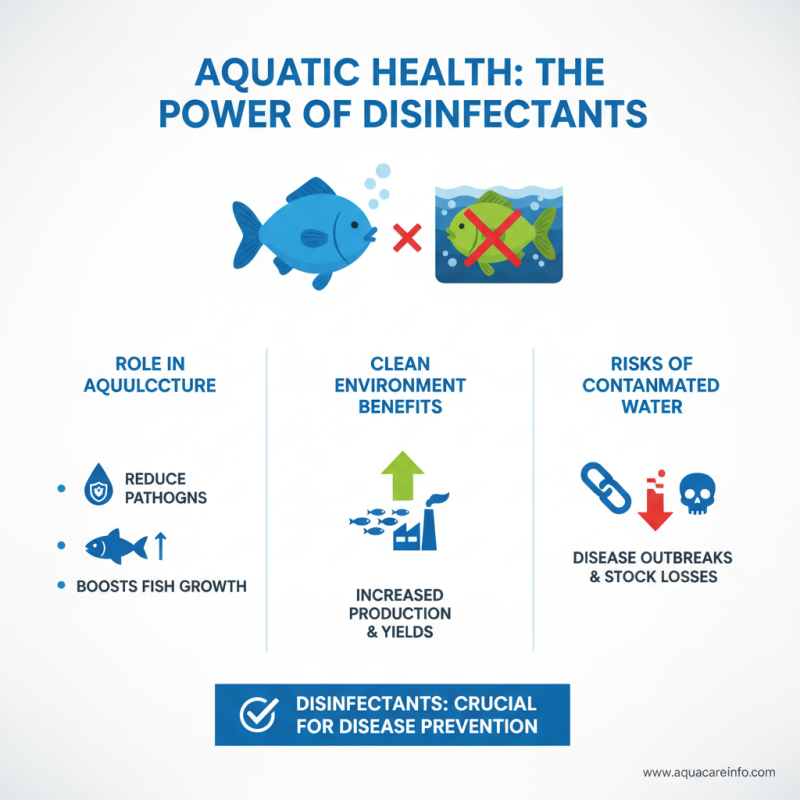
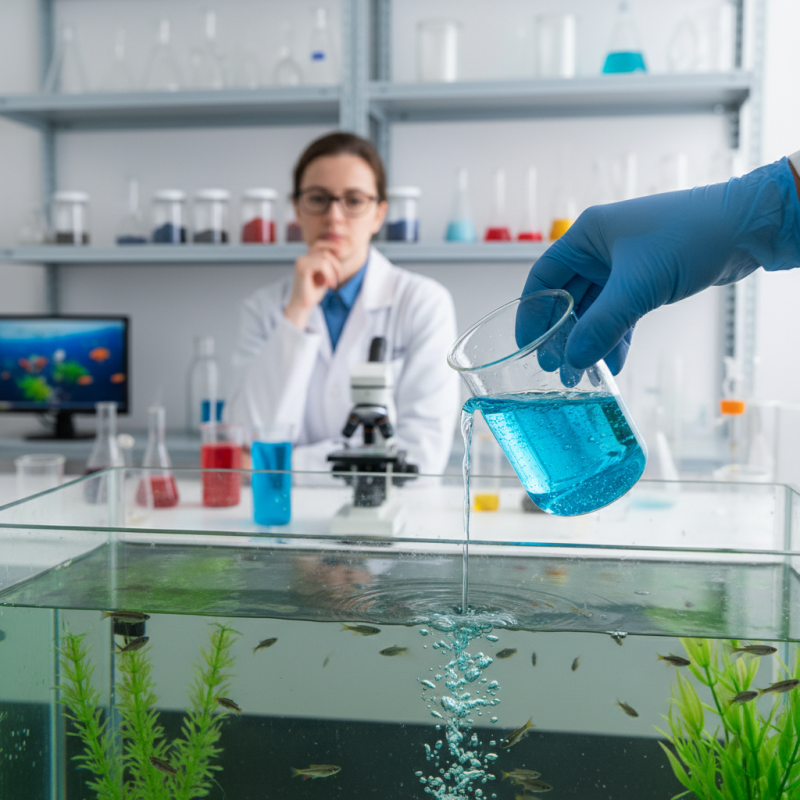
Disinfectants play a crucial role in maintaining aquatic health. They help reduce pathogens in aquaculture systems. A clean environment boosts fish growth and overall production. Contaminated water can lead to disease outbreaks, jeopardizing entire stock. Disinfectants aid in controlling these risks effectively.
When choosing a disinfectant, consider its efficacy against specific pathogens. Not all products work equally well. Some may target bacteria but not viruses. The concentration and application frequency are also vital. A common mistake is under-dosing or overusing. Both can lead to poor results and resistance issues. It's essential to follow guidelines and adjust as needed.
Monitoring water quality is equally important. Regular testing can reveal potential problems before they escalate. A disinfectant's effectiveness can diminish if water quality is poor. Reflecting on past usage can provide insights. Did a specific product yield the desired results? Was there an observable impact on health? Such reflections can greatly improve future decisions.
Types of Disinfectants Commonly Used in Aquaculture: A Comprehensive Overview
Disinfectants play a crucial role in aquaculture. They help manage pathogens and ensure the health of aquatic species. Understanding the types of disinfectants available is key for effective use.
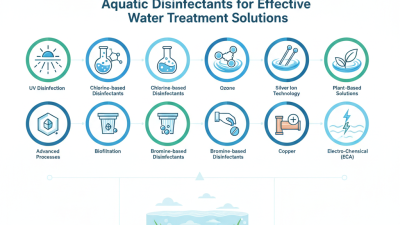
Chlorine-based disinfectants are common in aquaculture. They are effective against a range of microorganisms. However, they can be harsh on sensitive species. Careful dosing is essential to avoid harm. Iodophors are another option. They provide broad-spectrum activity but may require longer contact times.
Organic acids are gaining popularity. They are generally safer for aquatic life. Yet, their effectiveness can vary based on water quality. Each disinfectant has its pros and cons. Overuse of any type may lead to resistance or toxicity. This highlights the need for thoughtful application. Understanding which disinfectant suits your needs is vital.
Criteria for Selecting Effective Disinfectants for Aquatic Environments
In aquaculture, selecting the right disinfectant is crucial. Effective disinfectants must target a wide range of pathogens, including bacteria and viruses. According to a study by the Food and Agriculture Organization, aquatic diseases can cause losses of up to 30% in fish production annually. This statistic underscores the importance of choosing disinfectants that meet specific criteria for efficacy and safety.
pH levels are vital when evaluating disinfectants. Most aquatic environments have a pH between 6.5 and 8.5. Many disinfectants lose effectiveness outside this range. Additionally, organic matter can hinder disinfectant action. It’s essential to assess the presence of debris or biofilm, as they can absorb active components. Some industry reports suggest that disinfectants with longer contact times are more effective, but this can be impractical in fast-paced operations.
Finally, consider the environmental impact of disinfectants. Some may harm beneficial microorganisms in aquaculture systems. A study in the Aquaculture journal pointed out that balancing efficacy and environmental safety is often overlooked. Finding a solution that meets all these criteria can be challenging but vital for long-term success in aquaculture.
How to Choose the Best Disinfectant for Aquaculture? - Criteria for Selecting Effective Disinfectants for Aquatic Environments
| Disinfectant Type |
Active Ingredient |
Effective Against |
Contact Time (Minutes) |
Toxicity Level |
Residual Effect |
| Chlorine Compounds |
Sodium Hypochlorite |
Bacteria, Viruses |
30 |
Moderate |
Short |
| Quaternary Ammonium Compounds |
Benzalkonium Chloride |
Bacteria, Fungi |
10 |
Low |
Medium |
| Hydrogen Peroxide |
Hydrogen Peroxide |
Bacteria, Viruses, Algae |
15 |
Moderate |
Short |
| Iodine-Based Products |
Iodophor |
Bacteria, Fungi, Viruses |
20 |
Low |
Variable |
| Acids |
Formic Acid |
Bacteria, Biofilms |
5 |
High |
Short |
Evaluating the Efficacy of Disinfectants Against Specific Aquaculture Pathogens
In aquaculture, selecting the right disinfectant is critical. The effectiveness of disinfectants varies against specific pathogens. A study showed that 80% of fish diseases are caused by just six pathogens. Identifying the targeted pathogen can significantly improve the cleaning process.
Research reveals that common aquaculture pathogens, like Aeromonas and Vibrio species, exhibit different sensitivity levels. For example, some disinfectants are highly effective against Vibrio but less so against Aeromonas. Therefore, understanding these nuances is crucial for aquaculture management.
Data from recent evaluations indicate that applying disinfectants at appropriate concentrations is vital. Overuse can lead to resistance, diminishing their effectiveness over time. It's essential to reassess protocols regularly. The ideal disinfectant is not always a one-size-fits-all solution. Tailoring choices based on specific disease outbreaks reveals much about operational weaknesses. Emphasizing this targeted approach could lead to more successful disease management strategies.
Safety Considerations and Environmental Impact of Aquaculture Disinfectants
Choosing the right disinfectant in aquaculture requires careful consideration of safety and environmental impact. Many common disinfectants can harm aquatic life or disrupt ecosystems. A report from the Aquaculture Research journal highlighted that 70% of disinfectants tested were toxic to certain fish species. This toxicity raises valid concerns for aquaculture operators.
Chemical formulations can vary widely. Some are effective but have detrimental effects on water quality. For instance, quaternary ammonium compounds can accumulate in sediments, affecting benthic organisms. Research indicates that a single application might have long-lasting effects, potentially altering local biodiversity.
Monitoring is crucial in aquaculture environments. Operators must assess their disinfectants regularly. The environmental chemistry aspect is often overlooked. An inadequate understanding can lead to unintended consequences. A study showed that improper use of disinfectants resulted in a 40% decline in some aquatic populations. Always weigh effectiveness against potential risks.
Disinfectant Efficacy in Aquaculture