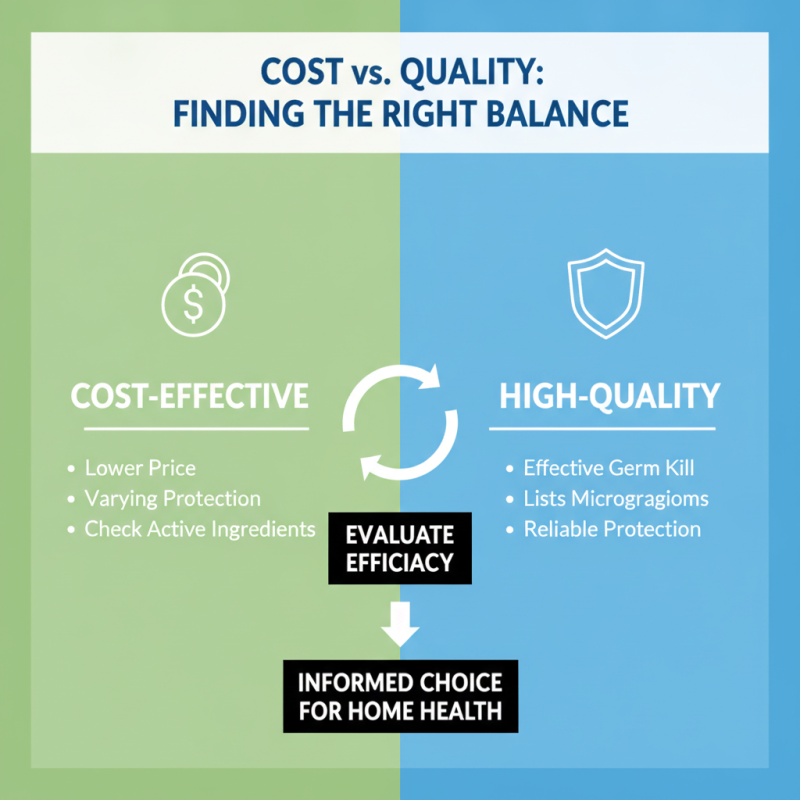
How to Choose the Best Disinfectant Products for Your Home?
Choosing the right disinfectant products is essential for maintaining a healthy home environment. According to the Environmental Protection Agency (EPA), effective disinfectants can reduce harmful pathogens by up to 99.9%. This statistic highlights the importance of selecting reliable disinfectant products that meet safety and performance standards. Many households rely on these products, especially during cold and flu seasons when germ transmission increases.
Not all disinfectant products are created equal. Some contain chemicals that can irritate skin or respiratory systems. Reviewing the ingredient list is vital. Look for products with proven efficacy, as supported by third-party research. Reports indicate that consumers often overlook safety ratings, potentially compromising health in their quest for cleanliness.
Investing time in understanding disinfectant effectiveness can lead to a safer home. Certain products may not perform well on specific surfaces or against particular germs. Regular evaluation of product performance and family needs can prevent over-reliance on ineffective solutions. Remember, better choices lead to improved health outcomes.
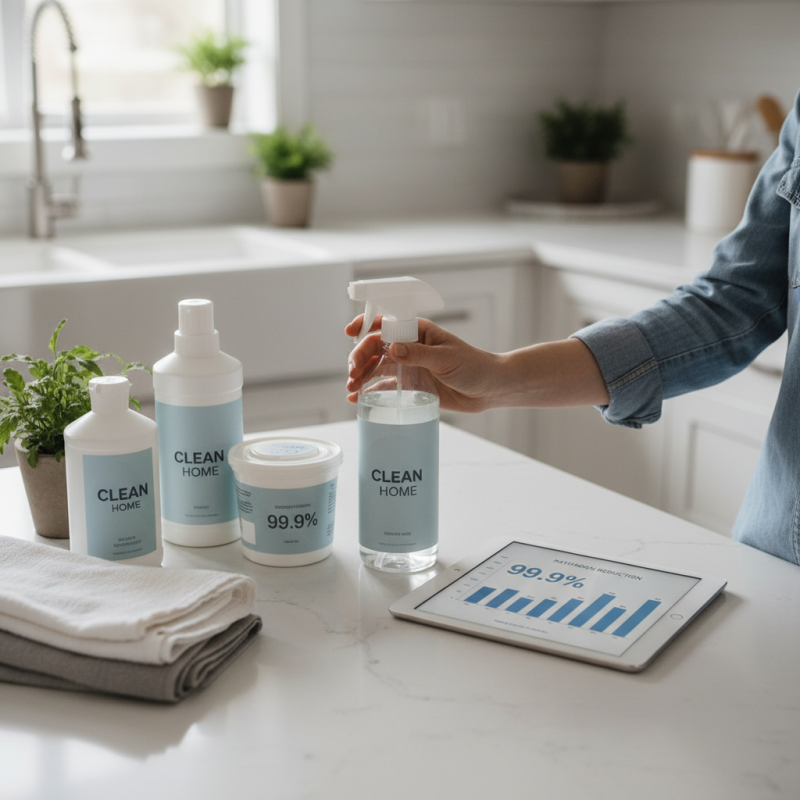
Understanding Disinfectants: Types and Their Uses
Disinfectants play a crucial role in maintaining a clean and healthy home environment. Understanding the types of disinfectants available is essential for safe and effective usage. The Centers for Disease Control and Prevention (CDC) classifies disinfectants into two main categories: hospital-grade and non-hospital-grade. Hospital-grade disinfectants are effective against a wider range of pathogens, including viruses and bacteria associated with severe illnesses. Non-hospital-grade products are suitable for everyday cleaning tasks.
For instance, a recent study showed that 70% of people use non-hospital-grade disinfectants in their homes. However, many are unaware that certain pathogens can survive on surfaces for days. A specific virus can remain viable on surfaces for up to 72 hours. This means that effective disinfection requires more than just a quick wipe-down; proper dwell time is crucial.
It's also important to consider the active ingredients in disinfectants. Quaternary ammonium compounds and bleach are common choices. While quats are effective against many bacteria, they may not eliminate viral pathogens as adequately. Furthermore, user experience can vary. Some individuals find the smell of bleach overwhelming, leading to underuse or incomplete disinfection. Understanding these nuances can help you choose the right product based on your specific cleaning needs and preferences.
How to Choose the Best Disinfectant Products for Your Home? - Understanding Disinfectants: Types and Their Uses
| Disinfectant Type |
Active Ingredient |
Effective Against |
Use Cases |
Safety Tips |
| Quaternary Ammonium Compounds |
Benzalkonium Chloride |
Bacteria, some viruses |
Countertops, bathrooms |
Avoid mixing with bleach |
| Bleach |
Sodium Hypochlorite |
Bacteria, viruses, fungi |
Floors, toilets, sinks |
Use in well-ventilated areas |
| Alcohol |
Isopropyl Alcohol |
Bacteria, enveloped viruses |
Electronics, small surfaces |
Flammable, keep away from heat |
| Hydrogen Peroxide |
Hydrogen Peroxide |
Bacteria, viruses, fungi |
Kitchen surfaces, laundry |
Avoid contact with eyes |
| Commercial Disinfectant Wipes |
Various |
Bacteria, viruses |
Quick clean-ups, high-touch areas |
Follow manufacturer's instructions |
Evaluating Effectiveness: Key Ingredients in Disinfectant Products
Choosing the right disinfectant for your home relies heavily on understanding key ingredients. Effective disinfectants often contain active substances like bleach, quaternary ammonium compounds, or hydrogen peroxide. Each ingredient serves a specific purpose in killing germs and viruses. For example, bleach is powerful but can be harsh on surfaces. It’s crucial to consider your needs when selecting a product.
Tips: Always read the labels. Look for products that specifically mention the pathogens they can eliminate. Products with 70% alcohol are effective against many germs but may require prolonged contact time. Testing a small area before widespread use can prevent damage.
Ingredient safety is another concern. Some strong disinfectants can emit fumes that may be harmful indoors. It's essential to use them in ventilated spaces. Regularly evaluate your cleaning methods; relying solely on disinfectants can lead to surface deterioration over time. Balancing cleaning with natural solutions may be beneficial.
Tips: Consider using vinegar or baking soda for everyday cleaning. They can reduce the need for harsher chemicals. Remember, effectiveness requires the right technique. Scrubbing surfaces can improve disinfectant efficacy.
Safety Considerations: Choosing Non-Toxic Options for Home Use
When selecting disinfectants for your home, safety should be paramount. Non-toxic options are vital, especially if you have children or pets. Many traditional disinfectants contain harsh chemicals. These can linger in the air and on surfaces, potentially causing harm. Consider plant-based disinfectants, which effectively kill germs without hazardous side effects. They often have pleasant scents too, making cleaning less of a chore.
Understanding labeling is crucial. Look for products marked as non-toxic or biodegradable. Don't be fooled by the word "natural." Some substances can still be harmful. Research and verify claims to ensure reliability. Check the Environmental Protection Agency's (EPA) list of safe alternatives. These products are tested for effectiveness and safety.
Using non-toxic disinfectants does not mean compromising on cleanliness. Balancing safety and effectiveness requires thoughtful consideration. It may take time to find suitable products. Experiment with different options to discover what works best for your home. Listen to your body and the environment. If irritation occurs, reconsider your choice. Keeping your home safe might involve trial and error, but it’s worth the effort.
Disinfectant Product Safety Considerations
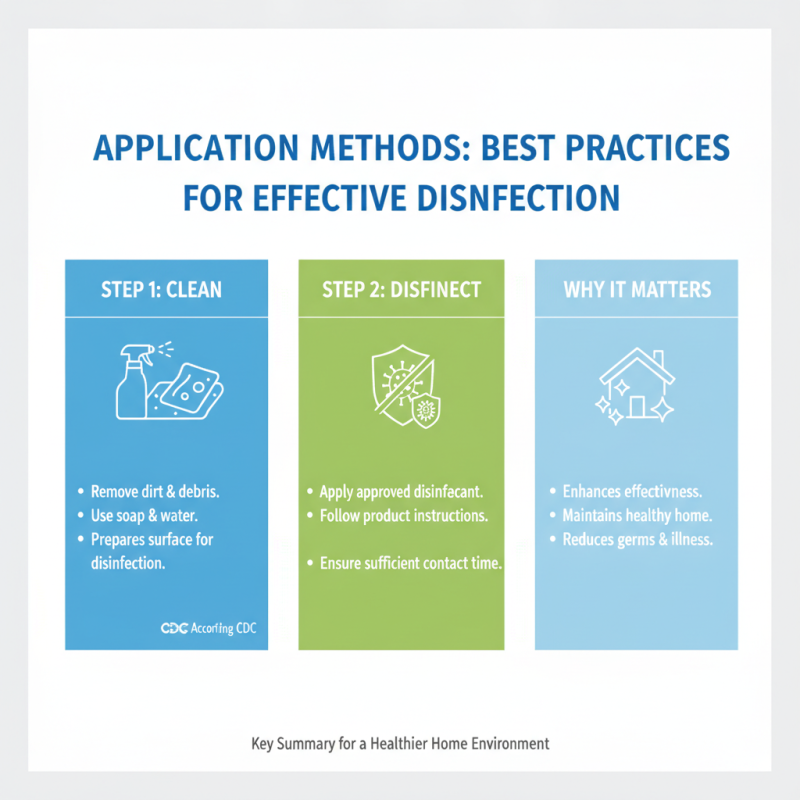
Application Methods: Best Practices for Effective Disinfection
Effective disinfection is essential for maintaining a healthy home environment. Understanding the best application methods can significantly enhance the effectiveness of disinfectants. According to the Centers for Disease Control and Prevention (CDC), surfaces should be cleaned before disinfecting. This step removes dirt and debris, allowing disinfectants to work more efficiently.
Spraying and wiping are common methods for applying disinfectants. The CDC recommends using a cloth or disposable towel to wipe surfaces after spraying. This ensures even coverage and prevents oversaturation, which can lead to prolonged drying times. It’s key to allow surfaces to remain wet for the recommended contact time, typically 1 to 10 minutes, to maximize germ-killing efficacy.
Many households overlook the importance of ventilation. Disinfectants must be used in well-ventilated areas to reduce inhalation risks. Additionally, improper storage of disinfectant products can lead to decreased effectiveness or potential hazards. Many consumers fail to check expiration dates, which can compromise product performance. Regular audits of your cleaning supplies and practices will result in better outcomes in your disinfection routine.