Why Choose Aquatic Disinfectant for Your Water Safety Needs?
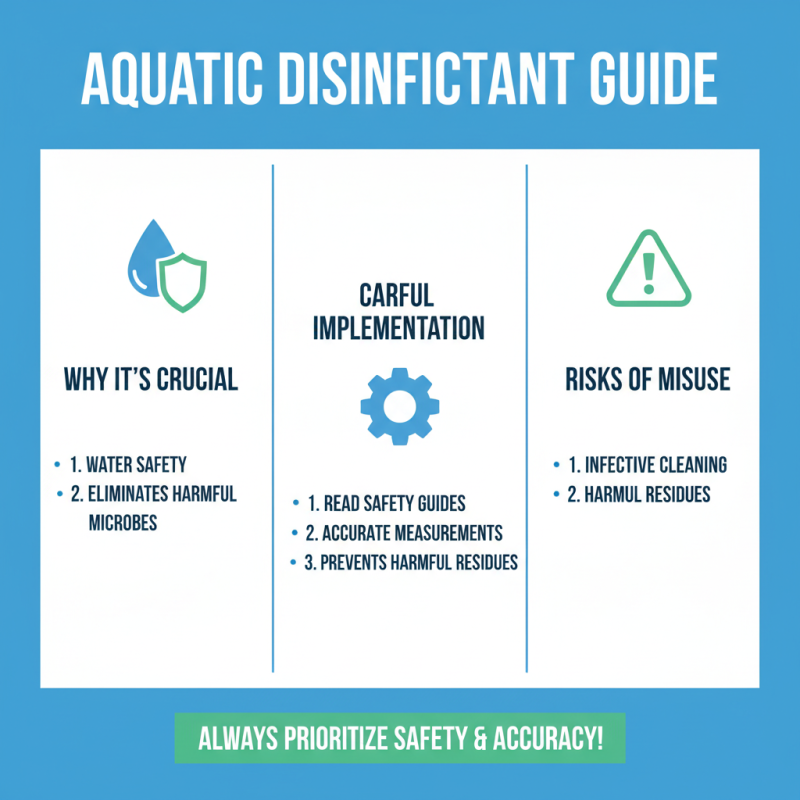
Water safety is a pressing concern for many. Contaminated water can lead to severe health issues. That's why choosing an effective aquatic disinfectant is vital. These products are designed to target harmful bacteria and viruses in water. They help ensure that water sources remain clean and safe for use.
Utilizing an aquatic disinfectant can safeguard drinking water. Pools and recreational water also benefit from such disinfectants. Regular testing and treatment can reduce the risk of disease transmission. Inadequate sanitation may not always be visible, making this choice essential. However, it’s important to select the right disinfectant for specific needs.
Not all aquatic disinfectants are created equal. Some may offer better results than others in certain environments. Understanding the different types available and their effectiveness is crucial. It’s worth reflecting on whether our current methods are truly effective. The decision to invest in quality products can pave the way for greater safety.
Understanding the Importance of Water Safety in Aquatic Environments
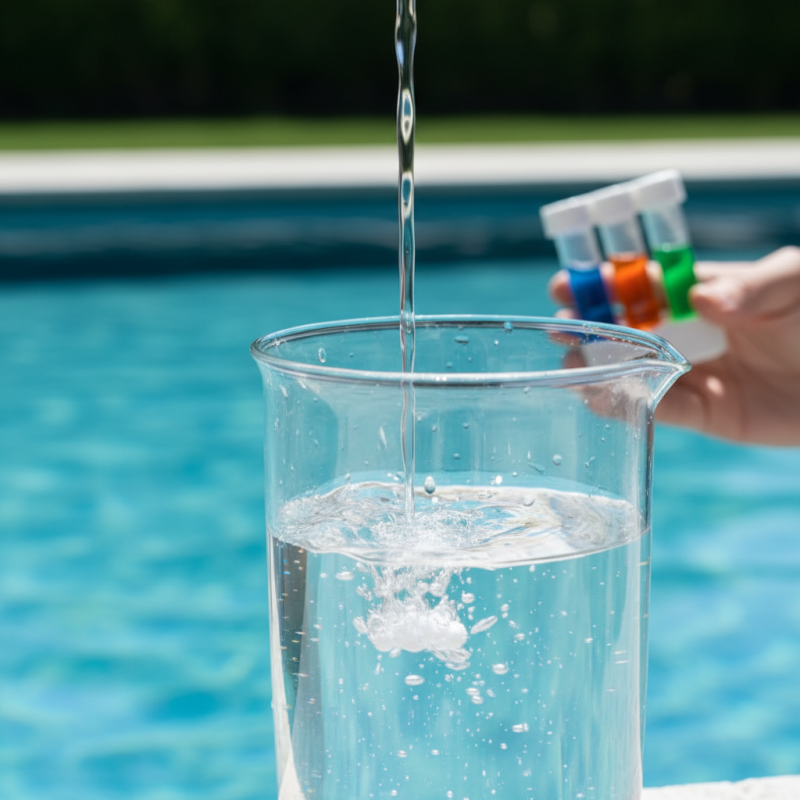
Water safety is crucial in aquatic environments. Whether in pools, lakes, or other bodies of water, the cleanliness of the water directly impacts health. Contaminated water can lead to various illnesses, from skin infections to gastrointestinal problems.
Using an effective disinfectant helps maintain water quality. These solutions reduce harmful pathogens that can thrive in warm, moist conditions. Regular testing and treatment are necessary. However, many still overlook this responsibility, leading to potential hazards.
Educating the community about water safety is vital. Engaging with users promotes awareness of proper swimming hygiene. Simple actions, like showering before entering the water, can significantly reduce contamination risks. Awareness can drive better practices, making every aquatic environment safer for users.
What Are Aquatic Disinfectants and How Do They Work?
Aquatic disinfectants play a vital role in ensuring water safety. They are chemical agents designed to kill harmful microorganisms. These substances can effectively eliminate bacteria, viruses, and parasites in various water systems. Their effectiveness often depends on the concentration and contact time with the water. However, not all disinfectants are equally potent. Some may struggle against specific pathogens, leading to a false sense of security.
Understanding how aquatic disinfectants work is crucial. They usually disrupt the cell membranes of microorganisms or interfere with their metabolic processes. This action helps to neutralize threats in pools, aquariums, and drinking water systems. It's interesting to note that while these products are beneficial, they can sometimes create by-products that might be harmful. Users must balance safety and effectiveness carefully. There can be misconceptions about the necessity of these chemicals, leading some to overlook their importance in maintaining clean water.
Water safety is a complex issue requiring ongoing attention. Regular testing and monitoring are essential components. Training staff and ensuring proper storage of these disinfectants are needed. Mistakes can happen, and understanding the limitations of these products fosters better decision-making. It's a continuous learning process.
Key Benefits of Using Aquatic Disinfectants for Water Quality
When it comes to water safety, choosing an aquatic disinfectant is essential. These disinfectants effectively eliminate harmful pathogens. A clean water source promotes the health of both humans and aquatic life. It's crucial, especially in recreational waters like pools and lakes.
Using aquatic disinfectants can improve water quality significantly. They help reduce algae growth, making water clear and appealing. Additionally, these products can lower chlorine demand. However, improper use can lead to residue. It's important to follow instructions carefully. Another critical detail is that not all disinfectants are created equal. Each type has its unique strengths.
There are long-term benefits to using aquatic disinfectants. Routine treatments prolong water life. They can prevent issues before they arise. Still, some people may overlook this practice. Ignoring water maintenance can lead to serious health risks. Regular checks and prompt treatment are vital for lasting safety.
Common Types of Aquatic Disinfectants and Their Applications
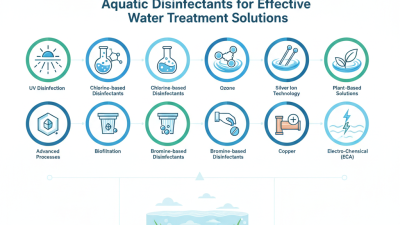
Aquatic disinfectants are essential for maintaining safe water environments. Common types include chlorine, ozone, and ultraviolet (UV) light. Chlorine is widely used. It effectively kills bacteria and viruses. This chemical is popular due to its affordability and accessibility. However, chlorine can create unwanted byproducts. These byproducts may affect water quality and cause health concerns.
Ozone is another powerful disinfectant. It is generated on-site, reducing transportation risks. Ozone is effective against a broad range of pathogens. Yet, it requires careful handling. The process can be complex, leading to potential operational issues. Lastly, UV light is a chemical-free method. It disinfects water without adding substances. This method requires proper maintenance. Equipment failures can disrupt UV treatment.
Each disinfectant has unique benefits and drawbacks. The choice depends on specific water safety needs. It's vital to evaluate effectiveness and safety. A thoughtful approach is necessary to avoid pitfalls. Finding the right balance can greatly enhance water quality and safety.
Why Choose Aquatic Disinfectant for Your Water Safety Needs? - Common Types of Aquatic Disinfectants and Their Applications
| Type of Disinfectant |
Active Ingredient |
Common Applications |
Effectiveness |
| Chlorine |
Sodium Hypochlorite |
Swimming Pools, Water Treatment Plants |
High |
| Bromine |
Bromine Compounds |
Hot Tubs, Pools |
High |
| Ultraviolet (UV) Light |
UV Radiation |
Water Purification Systems |
Very High |
| Ozone |
Ozone (O3) |
Swimming Pools, Drinking Water |
High |
| Hydrogen Peroxide |
Hydrogen Peroxide (H2O2) |
Aquaculture, Swimming Pools |
Moderate to High |