Best Pond Disinfectant Method to Keep Your Water Clean and Safe
Maintaining a clean and safe pond environment is essential for the health of aquatic life and the enjoyment of outdoor spaces. As we delve into the best pond disinfectant methods available, recent industry reports highlight that improper water quality can directly impact fish mortality rates, with studies indicating a potential increase of up to 52% in certain overwintering species due to poor management practices. Aquatic biologist Dr. Emily Carter states, "Effective pond management relies heavily on the selection of appropriate pond disinfectants to prevent harmful pathogen proliferation while maintaining a balanced ecosystem."
The use of pond disinfectants not only reduces harmful bacteria but also helps in controlling algae blooms, which can adversely affect water clarity and oxygen levels, critical for aquatic health. According to the Aquatic Ecosystems Journal, an estimated 30% of pond owners experience issues related to water quality, underscoring the necessity for effective treatment options. Knowledge and effective strategies in pond disinfection are indispensable for anyone looking to sustain a vibrant aquatic environment. Through this exploration of the top methods and their benefits, we aim to provide you with insights that will enhance your pond's health and safety.

Understanding Pond Disinfectants: Types and Their Functions
Pond disinfectants play a vital role in maintaining water quality and supporting a healthy aquatic environment. Primarily, they act by controlling harmful pathogens and preventing the proliferation of algae. The common types of disinfectants found in pond management include chlorine, hydrogen peroxide, and ultraviolet (UV) light systems. According to a report by the International Journal of Environmental Research and Public Health, chlorine is effective in killing bacteria and viruses, while hydrogen peroxide provides a more eco-friendly alternative, breaking down into water and oxygen after application.
Each disinfectant type serves a specific function. For instance, while chlorine is quick-acting and efficient in bacterial control, its residual effects can sometimes harm sensitive aquatic life if not used correctly. Conversely, UV light systems work by exposing water to ultraviolet radiation, effectively inactivating microorganisms without introducing chemicals, making it a safer option for environments with fish and plants.
A study published by the Environmental Protection Agency highlights that the careful selection and application of these disinfectants can significantly reduce instances of waterborne diseases and improve overall pond health, ensuring safe recreational activities and supporting local ecosystems.
Importance of Maintaining Clean and Safe Pond Water
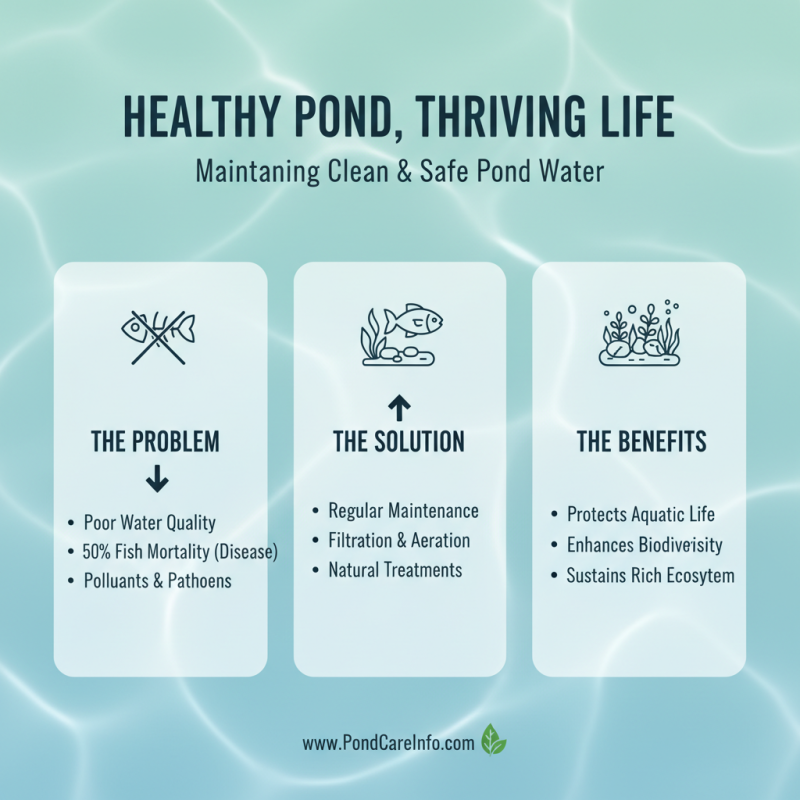
Maintaining clean and safe pond water is crucial for the ecosystem's health, as well as for the safety of aquatic life. Research highlights that poor water quality can lead to increased mortality rates among fish, with studies showing that approximately 50% of fish populations in unmaintained ponds suffer from diseases related to poor water conditions. Keeping the pond free from pollutants and pathogens not only protects the flora and fauna but also enhances the overall biodiversity, sustaining a rich ecosystem.
The significance of disinfecting pond water cannot be overstated. Pathogens such as bacteria and protozoa can thrive in stagnated or contaminated water, posing a risk to both the aquatic life and human health. Data from various environmental agencies indicate that ponds that are regularly monitored and treated for contaminants exhibit a 30% reduction in harmful bacteria levels. Moreover, ensuring the presence of essential nutrients, while controlling harmful algal blooms, contributes to a balanced aquatic environment, promoting not only cleaner water but also a healthier habitat for fish and plant life. Regular maintenance and disinfection practices, therefore, play a vital role in safeguarding water quality, ensuring a vibrant and resilient pond ecosystem.
Step-by-Step Guide to Disinfecting Your Pond Effectively
When it comes to keeping your pond water clean and safe, effective disinfection is essential. Start by assessing the current state of your pond. Check for visible debris, algae growth, and water clarity. A clean surface is crucial; therefore, remove leaves, twigs, and other organic matter that may contribute to pollution. After clearing the debris, consider using pond-safe disinfectants like hydrogen peroxide or potassium permanganate, which can help eliminate harmful bacteria without adversely affecting aquatic life.
Tips for Disinfecting Your Pond: Always test a small area first before applying any disinfectant throughout the pond to ensure it does not harm your fish or plants. It's also helpful to monitor the pH levels after disinfection, as some methods may alter these levels temporarily. Regular maintenance is key; establish a routine for testing water quality and performing minor clean-ups to prevent the buildup of harmful substances.
For a thorough disinfection process, maintain optimal oxygen levels in your pond. Aeration can significantly enhance the effectiveness of your disinfectant by promoting better dispersion and preventing stagnation. Keep an eye on your water temperature as well, since higher temperatures can increase the activity levels of bacteria and algae, making your disinfecting efforts more vital during warmer months.
Safety Precautions When Using Pond Disinfectants
When using pond disinfectants to maintain water quality, safety precautions are of utmost importance. The Environmental Protection Agency (EPA) emphasizes that improper use of chemical disinfectants can pose risks to both aquatic life and human health. According to studies from the American Society of Aquatic Scientists, even low levels of disinfectants can disrupt ecosystems, emphasizing the need for careful handling and application. It is crucial to measure the correct dosage based on pond size and the concentration of the disinfectant, as over-application can lead to toxic environments for fish and plants.
Additionally, personal protective equipment (PPE) should be utilized during the application of pond disinfectants. The National Institute for Occupational Safety and Health (NIOSH) recommends wearing gloves, masks, and eye protection to minimize exposure to harmful chemicals. Furthermore, it is advised to avoid working in windy conditions to prevent drift, which can lead to unintended contamination of surrounding areas. After application, aquatic systems should be monitored for any adverse effects, with recommendations from the CDC suggesting a waiting period before allowing pets or people to come into contact with the water. This proactive approach ensures that pond maintenance is not only effective but also safe for all inhabitants of the ecosystem.
Best Practices for Ongoing Pond Water Maintenance and Care
Maintaining a clean and safe pond requires a commitment to ongoing care and proactive practices. Regular testing of water quality is essential to ensure optimal conditions for aquatic life. This includes monitoring pH levels, ammonia, nitrites, and nitrates. Performing these tests weekly or monthly helps identify potential issues before they escalate, allowing for timely interventions that can prevent harmful algal blooms and other water quality problems.
In addition to regular testing, employing biological filtration systems can greatly enhance pond health. These systems utilize beneficial bacteria to break down organic matter and pollutants, promoting a balanced ecosystem. Regularly removing debris, such as fallen leaves and other organic waste, contributes to maintaining water clarity and quality. Furthermore, establishing a diverse plant life around the pond can help absorb excess nutrients and provide habitat for wildlife, further supporting a healthy aquatic environment.
Best Pond Disinfectant Method to Keep Your Water Clean and Safe - Best Practices for Ongoing Pond Water Maintenance and Care
| Disinfectant Method |
Effectiveness |
Safety for Fish |
Application Frequency |
Notes |
| Ultraviolet (UV) Light |
High |
Safe |
Continuous |
Effective against algae and bacteria |
| Chemical Algaecides |
Medium |
Varies |
As needed |
Use with caution around fish |
| Beneficial Bacteria |
High |
Safe |
Monthly |
Helps maintain water quality |
| Hydrogen Peroxide |
Medium |
Safe |
As needed |
Effective for small issues |
| Salt Treatment |
Low |
Conditional |
As needed |
Can harm freshwater fish; use sparingly |